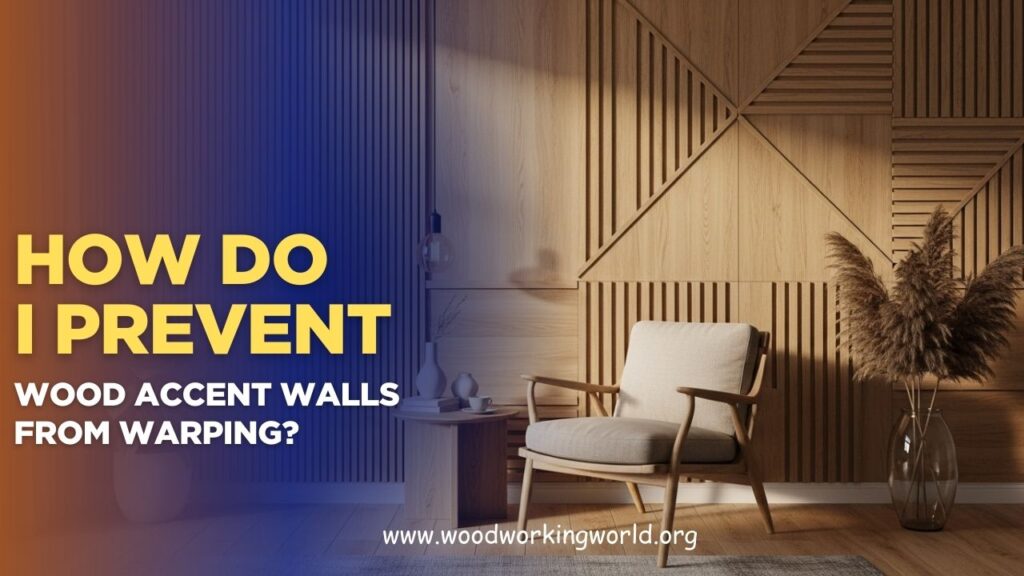
How do I prevent wood accent walls from warping?
Preventing warping on a wood accent wall comes down to smart prep and the right protection. Wood reacts to changes in humidity and temperature, so without proper treatment and installation, it can expand, bend, or warp over time. The good news? With a few essential steps, you can keep your wall straight, sturdy, and looking great for years.
In this quick guide, we’ll introduce the best techniques to stop wood panels from warping, including proper acclimation, moisture control, correct fastening, and sealing options—so your accent wall stays flawless and long-lasting.
👉 CLICK HERE to Unlock 16,000+ DIY woodworking plans now
Why Wood Accent Walls Warp
To prevent warping, it’s important to understand why it happens:
- Moisture Fluctuations: Wood absorbs moisture from humid air, causing it to swell. Conversely, dry conditions can make it shrink.
- Temperature Changes: Rapid heating and cooling can stress wood fibers, leading to bending or bowing.
- Improper Installation: Nailing or gluing boards without accounting for natural expansion can force the wood to warp.
- Poor Wood Selection: Softwoods or untreated wood are more prone to movement than engineered or kiln-dried wood.
Warping isn’t just unsightly; it can damage panel alignment, trim, and surrounding furniture, compromising the overall look of your wall.
👉 CLICK HERE to Unlock 16,000+ DIY woodworking plans now
Choosing the Right Wood for Your Accent Wall
Selecting stable wood is the first step in preventing warping:
1. Engineered Wood
- Plywood, MDF, or laminated panels are highly stable and resist moisture changes.
- Ideal for interior accent walls where minimal movement is desired.
2. Kiln-Dried Hardwood
- Woods like oak, maple, cherry, or walnut are dimensionally stable.
- Kiln drying removes excess moisture, reducing post-installation movement.
3. Reclaimed Wood
- Can be stable if properly treated and acclimated.
- Adds character and texture, but inspect for cracks or previous damage.
Pro Tip: Avoid untreated softwoods like pine in humid rooms—they are more likely to warp over time.
Acclimating Wood Before Installation
Wood needs time to adjust to the environment where it will be installed:
- Stack boards in the room for 1–2 weeks before installation.
- Use spacers between boards to allow air circulation.
- Measure moisture content with a moisture meter; ideal indoor wood is 6–8%.
Pro Tip: Proper acclimation reduces expansion and contraction after installation, minimizing warping risk.
Proper Installation Techniques
Correct installation is critical for a warp-free wood accent wall:
1. Leave Expansion Gaps
- Wood naturally expands and contracts.
- Leave 1/8–1/4 inch gaps between boards and at edges to accommodate movement.
2. Use Appropriate Fasteners
- Nails, screws, or adhesives should allow slight movement.
- Avoid over-tightening, which can stress and warp boards.
3. Consider Orientation
- Vertical boards may sag less and allow moisture to run off.
- Horizontal boards can look modern but may require additional support.
4. Use a Stable Substrate
- Attach wood to drywall or plywood backers rather than directly to uneven studs.
- Ensure the wall is flat and level to prevent stress on the wood panels.


Controlling Environmental Factors
The environment has a major impact on wood stability:
1. Humidity
- Maintain indoor humidity between 40–50%.
- Use a humidifier in dry climates and a dehumidifier in humid areas.
2. Temperature
- Avoid placing walls near heaters, vents, or direct sunlight, which can cause rapid expansion or contraction.
3. Sunlight Exposure
- UV rays dry out and discolor wood over time.
- Use curtains, blinds, or UV-filtering window film to protect your wall.
Pro Tip: Combining humidity control with sunlight protection offers the best defense against warping.
Protective Finishes to Reduce Warping
Applying the right finish helps seal the wood and stabilize it:
- Polyurethane or Spar Varnish: Creates a moisture-resistant barrier
- Penetrating Oils (Tung, Linseed, Teak): Nourishes wood while allowing slight natural movement
- Stains with Sealant: Adds color and shields wood from humidity
Pro Tip: Seal all sides and edges of each board for uniform protection against moisture absorption.
Maintenance Tips for Long-Term Stability
Regular care ensures your wood accent wall stays warp-free and beautiful:
- Dust Frequently: Prevents dirt and debris from trapping moisture.
- Clean Spills Immediately: Wipe up water or liquid splashes quickly.
- Inspect Annually: Check for cracks, gaps, or slight movement and address promptly.
- Reapply Finish: Oil or stain every 2–3 years; polyurethane every 3–5 years.
Pro Tip: Keep leftover finish for touch-ups, which helps maintain both protection and aesthetics.
Common Mistakes to Avoid
- ❌ Installing unacclimated wood
- ❌ Using soft, untreated wood in humid spaces
- ❌ Skipping expansion gaps or over-tightening fasteners
- ❌ Ignoring uneven walls or inadequate backers
- ❌ Failing to maintain stable indoor humidity
Avoiding these mistakes ensures your accent wall remains flat, elegant, and durable for years.
👉 CLICK HERE to Unlock 16,000+ DIY woodworking plans now
FAQs: Preventing Wood Accent Wall Warping
1. How much expansion gap should I leave?
1/8–1/4 inch at edges and between boards allows natural movement.
2. Can I prevent warping without a finish?
Finishes are highly recommended—they protect against moisture and environmental stress.
3. How long should wood acclimate?
1–2 weeks in the room where it will be installed.
4. Does board orientation matter?
Yes—vertical boards reduce sagging; horizontal boards may need additional support.
5. Can wood accent walls be used in kitchens or bathrooms?
Yes, but use engineered or treated hardwood and a moisture-resistant finish.
Final Verdict: Preserve Your Wood Accent Wall
Wood accent walls add timeless beauty and texture to any room, but preventing warping is key to maintaining their charm. By selecting stable wood, acclimating boards, installing properly, controlling the environment, and applying protective finishes, you can enjoy a durable, warp-free accent wall for years.
Key Takeaways:
- Choose engineered or kiln-dried hardwood for stability
- Acclimate wood in the room for 1–2 weeks
- Leave expansion gaps and avoid over-tightening fasteners
- Maintain stable humidity and temperature indoors
- Apply and maintain a protective finish
👉 CLICK HERE to Unlock 16,000+ DIY woodworking plans now