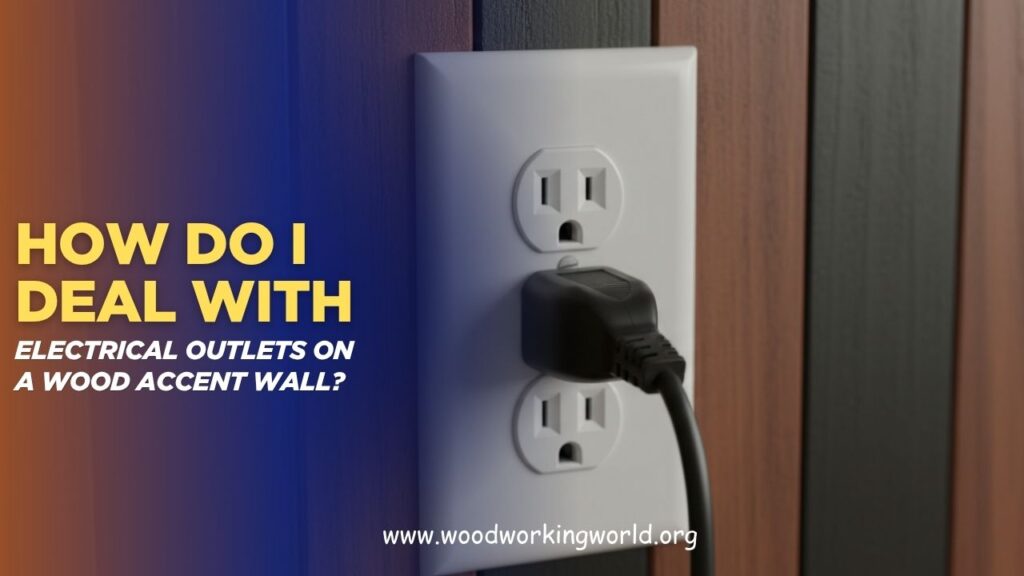
How do I deal with electrical outlets on a wood accent wall?
Worried about how electrical outlets will fit into your new wood accent wall? Installing a wood accent wall adds warmth and style to a room, but existing outlets can present a challenge if you want a seamless, polished look. Proper planning ensures your outlets remain functional, safe, and visually integrated without compromising the beauty of your wall.
In this complete guide, we’ll cover strategies for handling electrical outlets on a wood accent wall, including cutting precise openings, using outlet extenders or box adapters, concealing with decorative covers, safety tips, and finishing touches—so your accent wall looks flawless while keeping your electrical setup fully operational.
👉 CLICK HERE to Unlock 16,000+ DIY woodworking plans now
Why Planning for Outlets Matters
Electrical outlets are more than aesthetic considerations—they are functional necessities. Ignoring outlets or handling them incorrectly can lead to:
- ⚡ Safety hazards, including exposed wires or short circuits
- 🪵 Poor-fitting boards or awkward gaps
- 🎨 Unfinished, unprofessional appearances
Planning your accent wall layout around outlets ensures your project is safe, functional, and visually cohesive.
👉 CLICK HERE to Unlock 16,000+ DIY woodworking plans now
Step 1: Map Out Your Wall and Outlets
Before installing any boards:
- Measure Carefully
- Mark every outlet, switch, and fixture.
- Note the height from the floor and distance from corners.
- Choose Your Board Layout
- Horizontal boards create a wider, expansive feel.
- Vertical boards make rooms appear taller.
- Patterns like chevron, herringbone, or diagonal require extra precision around outlets.
- Consider Board Widths
- Wider boards may require fewer cuts around outlets.
- Narrower boards allow more flexibility but require detailed cutting.
Step 2: Turn Off Electricity
Safety is critical when working around outlets:
- Turn off power at the breaker panel.
- Use a voltage tester to confirm the outlet is inactive.
- Never cut or nail boards near live wires.
Step 3: Cutting and Fitting Boards Around Outlets
Tools You’ll Need
- Jigsaw or oscillating multi-tool
- Tape measure and pencil
- Square and ruler
- Sandpaper or a small wood file
How to Cut for Outlets
- Mark Outlet Locations
- Measure width, height, and depth of the outlet box.
- Transfer these measurements to the back of the board.
- Cut Carefully
- Use a jigsaw or oscillating tool for precision.
- Start slightly smaller than the actual opening, then sand or trim for a perfect fit.
- Test Fit
- Place the board on the wall to ensure it aligns with the outlet box.
- Adjust with sanding if necessary.
Step 4: Installing Boards Around Electrical Boxes
Flush Fit Method
- Boards fit snugly around outlet edges.
- Pros: Clean, professional look
- Cons: Requires careful cutting
Overlay Method
- Boards are installed over the outlet flange, then trimmed to expose the faceplate.
- Pros: Easier with patterned walls
- Cons: Can look slightly bulkier
Pro Tip: Use wood filler or caulk around edges to create a seamless finish.


Step 5: Reinstall Outlet Covers
Once the boards are in place:
- Replace outlet or switch covers with flush-mount or decorative plates.
- Ensure the cover sits flush or slightly above the wood surface.
- Choose covers that blend with your wood for a polished appearance.
👉 Pro Tip: Consider wood veneer or metal covers to match the style of your accent wall.
Step 6: Finishing Your Wood Accent Wall
- Sand edges around outlets to remove roughness.
- Apply stain, paint, or sealant carefully.
- Avoid finishes that could seep into outlet openings.
- Allow boards to fully dry before reinstalling covers and restoring power.
Handling Multiple Outlets
If you have several outlets on the same wall:
- Plan your pattern: Decide if boards will continue uninterrupted or break around outlets.
- Stagger cuts: Avoid aligning cuts across multiple boards to maintain visual flow.
- Measure meticulously: Even small errors can be noticeable when repeated.
Recommended Materials and Tools
Materials
- Solid wood: Durable and can be refinished
- Engineered wood or MDF: Ideal for painted accent walls
- Tongue-and-groove boards: Ensure snug fits
Tools
- Jigsaw or oscillating tool
- Drill and screws
- Tape measure and square
- Sandpaper and wood file
Safety Considerations
- Always cut with the power off
- Avoid live wires at all costs
- Wear safety glasses and gloves
- Double-check measurements before cutting around outlets
FAQs: Wood Accent Walls and Electrical Outlets
1. Can I cut wood boards without removing the outlet?
Yes, but it’s safer to remove the faceplate and confirm the power is off.
2. Do I need a licensed electrician?
Only if you plan to move, add, or modify wiring. Basic outlet alignment can be done by a confident DIYer.
3. Can I cover the outlet entirely?
No. Outlets must remain accessible to comply with electrical codes.
4. Are there outlet covers that match wood?
Yes—wood veneer, painted, or metal covers can seamlessly blend with your accent wall.
5. How do I handle uneven walls?
Use shims behind boards to ensure a flush fit, especially around outlet boxes.
Tips for a Polished Finish
- Cut carefully: Precision ensures a professional look
- Use caulk or wood filler: Hides small gaps around outlets
- Choose matching faceplates: Maintains a cohesive design
- Plan for accessibility: Ensure outlets are easy to use post-installation
👉 CLICK HERE to Unlock 16,000+ DIY woodworking plans now
Final Verdict: Flawless Accent Walls With Outlets
Electrical outlets don’t have to complicate your wood accent wall project. By planning, measuring, cutting carefully, and finishing thoughtfully, you can create a stunning wall that is safe, functional, and stylish.
Key Takeaways:
- Measure and plan around all outlets before installation
- Turn off electricity and confirm safety
- Cut boards precisely for a flush or overlay fit
- Use filler, caulk, and matching covers for a polished finish
- Check alignment and repeat for multiple outlets
A well-executed accent wall adds warmth, character, and sophistication—without sacrificing utility.
👉 CLICK HERE to Unlock 16,000+ DIY woodworking plans now