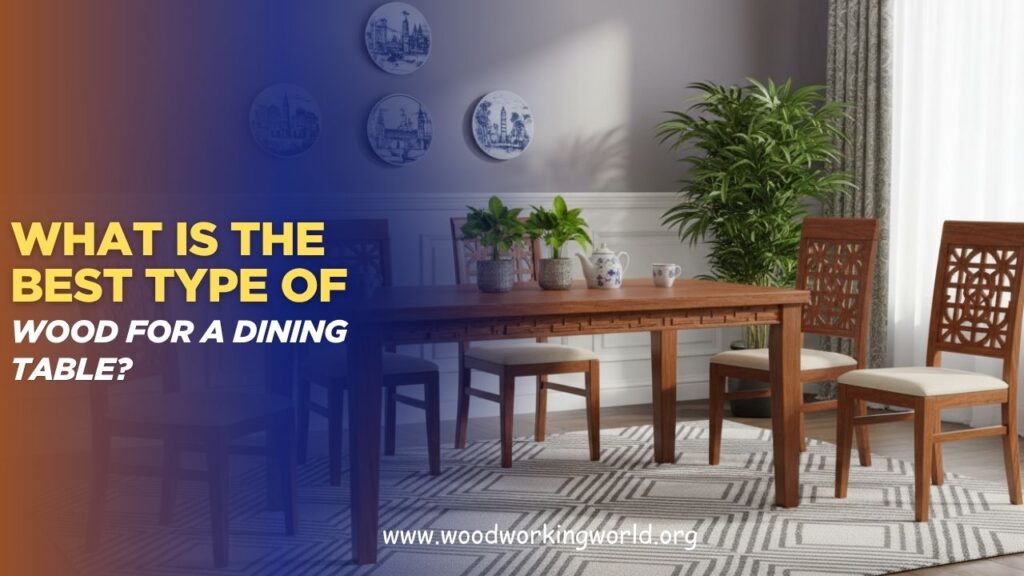
What is the best type of wood for a dining table?
Choosing the right wood for your dining table can make all the difference in durability, style, and long-term satisfaction. With so many wood types available—from traditional hardwoods to more budget-friendly options—it’s easy to feel overwhelmed when picking the perfect material for your home.
In this guide, “What Is the Best Type of Wood for a Dining Table?” we’ll break down the most popular woods used in dining tables, compare their strength, grain patterns, maintenance needs, and cost, and help you decide which one fits your lifestyle and design goals. By the end, you’ll have a clear understanding of which wood will give you both beauty and lasting performance at the heart of your dining space.
👉 CLICK HERE to Unlock 16,000+ DIY woodworking plans now
Why Choosing the Right Wood Matters
Many homeowners overlook the importance of wood selection, focusing solely on style. However, wood type affects:
- Durability: Some woods resist scratches, dents, and daily wear better than others.
- Appearance: Grain pattern, color, and texture define the table’s aesthetic.
- Maintenance: Harder woods are easier to care for, while softer woods require more attention.
- Longevity: The right wood ensures your table remains beautiful for years, or even generations.
Think of your dining table as an investment in both function and design. Selecting the right wood maximizes both.
👉 CLICK HERE to Unlock 16,000+ DIY woodworking plans now
Best Woods for Dining Tables
1. Oak
Oak is a classic choice, prized for its strength and timeless appeal.
- Durability: Very hard and resistant to scratches and dents.
- Appearance: Prominent grain patterns in warm honey to medium brown tones.
- Maintenance: Easy to clean; accepts stains and finishes well.
- Best For: Families, high-traffic dining areas, and traditional décor.
👉 Pro Tip: Red oak provides a classic look, while white oak is ideal for contemporary styles.
2. Walnut
Walnut offers a luxurious and rich aesthetic.
- Durability: Strong and moderately hard; slightly softer than oak.
- Appearance: Deep chocolate-brown tones with smooth, attractive grain.
- Maintenance: Needs occasional oiling to maintain luster.
- Best For: Elegant dining rooms, modern or traditional spaces.
3. Maple
Maple is ideal for those who want a light, bright table.
- Durability: Extremely hard and resistant to wear.
- Appearance: Light, creamy tones with a subtle, even grain.
- Maintenance: Stainable and finishes beautifully; scratches are less visible on lighter wood.
- Best For: Minimalist or contemporary designs.
4. Cherry
Cherry wood creates a warm, inviting ambiance.
- Durability: Moderate hardness; can dent more easily than oak or maple.
- Appearance: Reddish-brown tones that deepen naturally over time.
- Maintenance: Sensitive to sunlight; refinishing may be needed.
- Best For: Traditional or classic dining rooms.
5. Mahogany
Mahogany offers heirloom-quality elegance.
- Durability: Hard and dense; extremely long-lasting.
- Appearance: Deep reddish-brown with fine, straight grain.
- Maintenance: Requires regular polishing for best results.
- Best For: Formal dining rooms or statement pieces.
6. Pine (Softwood Option)
Pine is an affordable and rustic alternative.
- Durability: Softer and more prone to dents and scratches.
- Appearance: Light yellow or pale brown, often with knots for a rustic look.
- Maintenance: Needs careful handling; works well for farmhouse or casual tables.
- Best For: Budget-friendly or rustic dining tables.
🛠️ Ted’s 16,000 Woodworking Plans – Why You’ll Love It


Factors to Consider When Choosing Wood
Selecting the right wood is more than picking a color or grain pattern. Consider these factors:
- Family Lifestyle: For homes with kids or heavy use, hardwoods like oak, maple, or walnut are ideal.
- Climate and Humidity: Some woods, like cherry, may expand or contract more in humid environments.
- Color and Décor: Match or complement the wood tone with your chairs, flooring, and overall room style.
- Weight and Mobility: Heavier hardwoods are durable but harder to move. Softer woods are lighter but less durable.
- Budget: Exotic hardwoods like walnut and mahogany are more expensive, while oak, maple, and pine are more affordable.
Finishing Options for Your Dining Table
The right finish protects your table while enhancing its natural beauty:
- Polyurethane: Offers excellent durability and water resistance; ideal for heavy-use tables.
- Lacquer: Provides a smooth, glossy finish but may require occasional touch-ups.
- Natural Oil (Tung or Linseed Oil): Penetrates the wood, enhancing grain while protecting against moisture.
- Wax: Adds shine and smoothness but requires frequent maintenance.
👉 Expert Tip: Always test finishes on a small, inconspicuous area first to ensure you like the color and sheen.
Maintaining Your Dining Table
Proper care ensures your table remains beautiful for years:
- Dust Regularly: Use a microfiber cloth to prevent scratches.
- Wipe Spills Immediately: Avoid water rings or stains.
- Use Coasters and Placemats: Protect surfaces from heat, moisture, and scratches.
- Polish Occasionally: Natural oils or furniture polish nourish and protect wood.
- Avoid Direct Sunlight: Prolonged exposure can fade or darken wood.
Common Mistakes to Avoid
❌ Choosing a softwood for heavy-use dining tables
❌ Ignoring maintenance and cleaning guidelines
❌ Selecting a wood tone that clashes with existing décor
❌ Overloading the table with heavy items, leading to warping or dents
❌ Skipping protective finishes, which reduces durability
FAQs: Choosing Wood for Dining Tables
- What’s the hardest wood for a dining table?
Oak and maple are among the hardest, making them ideal for long-term durability. - Can I use walnut for a family dining table?
Yes, but consider using a protective finish to minimize scratches from heavy use. - Is pine a good choice for a rustic table?
Absolutely! Pine offers a casual, farmhouse feel, though it’s softer and more prone to dents. - How do I protect my wood table from heat and moisture?
Use coasters, placemats, and a high-quality finish to prevent damage. - Can I refinish a dining table at home?
Yes. Light sanding, staining, and sealing restore both color and protection.
👉 CLICK HERE to Unlock 16,000+ DIY woodworking plans now
Final Verdict: Invest in Quality and Beauty
Choosing the right wood for your dining table is about more than aesthetics—it’s about durability, functionality, and long-term enjoyment. Hardwood options like oak, walnut, and maple provide strength and timeless style, while cherry and mahogany add warmth and elegance. Pine offers a rustic, budget-friendly alternative for casual settings.
Key Takeaways:
✔ Consider durability, appearance, and maintenance when selecting wood
✔ Match wood tone with room décor and lighting
✔ Apply a protective finish for longevity and ease of care
✔ Regularly clean, polish, and protect your table from spills and sunlight
✔ Avoid softwood options for heavy-use dining tables unless casual style is desired
With the right wood, your dining table becomes a centerpiece that combines style, practicality, and lasting value, making every meal a beautiful experience.
Ready to craft your perfect dining table? Explore woodworking plans and step-by-step guides today!
👉 CLICK HERE to Unlock 16,000+ DIY woodworking plans now