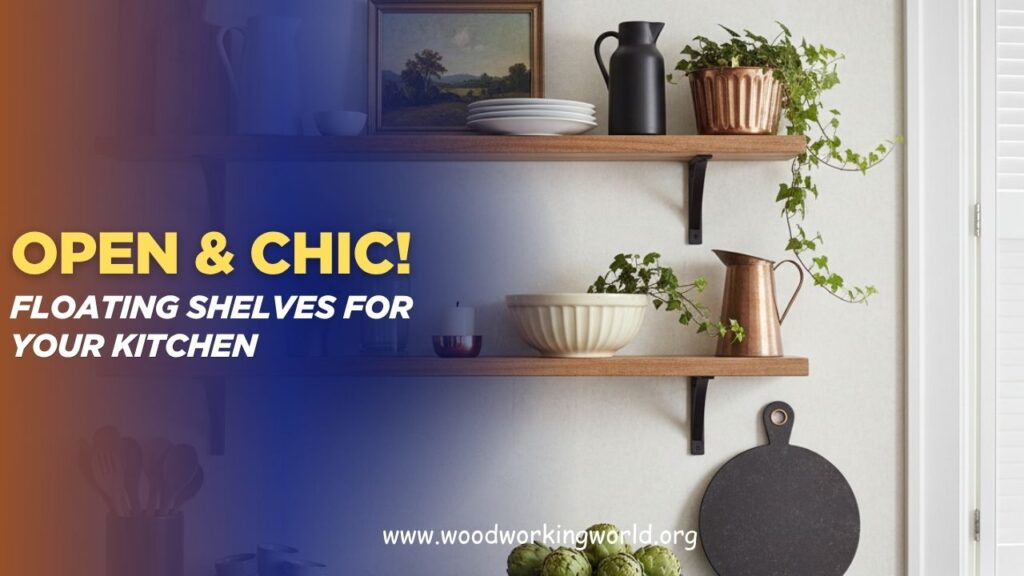
Open & Chic! Floating Shelves for Your Kitchen
Transforming your kitchen with style and functionality has never been easier than with floating shelves. These sleek, open shelving options not only provide extra storage but also create a modern, airy look that makes your space feel larger and more organized. Perfect for displaying dishes, glassware, or décor, floating shelves combine practicality with visual appeal.
In this article, we’ll explore chic floating shelf ideas for your kitchen, including design tips, placement strategies, and styling inspiration—so you can achieve a kitchen that’s both functional and effortlessly stylish.
👉 CLICK HERE to Unlock 16,000+ DIY woodworking plans now
Benefits of Floating Shelves in the Kitchen
1. Space-Saving & Functional
- Optimizes wall space, making your kitchen look more open.
- Perfect for small kitchens with limited cabinet storage.
2. Aesthetic Appeal
- Creates a modern, airy look that complements any kitchen design.
- Allows for easy customization with various materials, finishes, and colors.
3. Easy Accessibility
- Provides quick access to frequently used items such as spices, utensils, and dishes.
- Helps maintain an organized and clutter-free kitchen.
4. Budget-Friendly
- More affordable compared to custom cabinetry.
- DIY installation can save even more money.
👉 CLICK HERE to Unlock 16,000+ DIY woodworking plans now
Step-by-Step Guide: Installing Floating Shelves in Your Kitchen
Step 1: Gather Materials & Tools
Materials:
- Floating shelf brackets
- Wooden shelves (solid wood, MDF, or plywood)
- Screws and wall anchors
- Wood stain or paint (optional)
Tools:
- Drill and drill bits
- Level
- Stud finder
- Measuring tape
- Screwdriver
Step 2: Choose the Perfect Location
- Determine the best wall space for your shelves.
- Consider accessibility and how the shelves will complement your kitchen layout.
- Use a stud finder to locate wall studs for secure installation.
Step 3: Measure & Mark the Wall
- Measure the height and spacing between shelves.
- Mark the drilling points using a pencil.
- Ensure that the markings are level and aligned properly.
Step 4: Install the Brackets
- Drill pilot holes at the marked points.
- Secure the floating shelf brackets to the wall using screws and anchors.
- Double-check that brackets are level before proceeding.
Step 5: Mount the Shelves
- Slide the wooden shelves onto the brackets.
- Secure the shelves in place with screws if needed.
- Use a level to ensure the shelves are even.
Step 6: Style & Organize
- Arrange kitchen essentials and decorative items.
- Use baskets, jars, and dividers to maintain an organized look.
- Keep frequently used items within easy reach.
🛠️ Ted’s 16,000 Woodworking Plans – Why You’ll Love It


Comparison Table: Best Materials for Kitchen Floating Shelves
| Material | Pros | Cons |
|---|---|---|
| Solid Wood | Durable, natural aesthetic, customizable | Can warp over time if exposed to moisture |
| MDF | Affordable, smooth finish, easy to paint | Less durable, prone to sagging |
| Plywood | Stronger than MDF, moisture-resistant | More expensive than MDF |
| Metal | Sleek, industrial look, strong support | Can be heavy, requires strong wall anchors |
| Glass | Modern, easy to clean | Fragile, needs secure mounting |
Styling Tips for Floating Shelves
- Balance Function & Design: Mix practical items (plates, bowls, spices) with decorative accents (plants, artwork, candles).
- Use Matching Containers: Uniform jars and containers create a cohesive and tidy appearance.
- Layer Items: Stack plates, use risers, or stagger item heights for a dynamic look.
- Add Greenery: Small potted plants or fresh herbs bring a touch of nature into the kitchen.
- Rotate Seasonally: Update decor elements based on the season for a fresh, evolving look.
“The kitchen is the heart of the home, and floating shelves bring both function and beauty to the space.” – Interior Design Expert
👉 CLICK HERE to Unlock 16,000+ DIY woodworking plans now
FAQs About Kitchen Floating Shelves
1. Are floating shelves strong enough to hold heavy items?
Yes! If installed correctly using wall studs and heavy-duty brackets, floating shelves can support dishes, cookware, and even small appliances.
2. How do I prevent floating shelves from sagging?
Choose high-quality materials like solid wood or reinforced plywood and install brackets properly into wall studs for maximum support.
3. Can I install floating shelves on tile walls?
Yes, but you will need a special drill bit for tiles and appropriate wall anchors to secure the shelves.
4. What’s the best way to clean floating shelves?
Regularly dust shelves and wipe them down with a damp cloth. Avoid excessive moisture, especially for wooden shelves.
5. How deep should kitchen floating shelves be?
For optimal storage, floating shelves should be 10 to 12 inches deep to accommodate plates and other kitchen essentials.
Conclusion
Floating shelves add a touch of elegance and practicality to any kitchen. Whether you opt for a rustic wood finish, sleek metal, or minimalist glass, these shelves enhance both form and function. With the right materials, careful installation, and thoughtful styling, you can transform your kitchen into an open, chic space that is both organized and inviting.
Ready to elevate your kitchen decor? Install floating shelves today and enjoy a modern, clutter-free cooking space!
👉 CLICK HERE to Unlock 16,000+ DIY woodworking plans now