How to Polish a Wood Coffee Table Without Damaging It
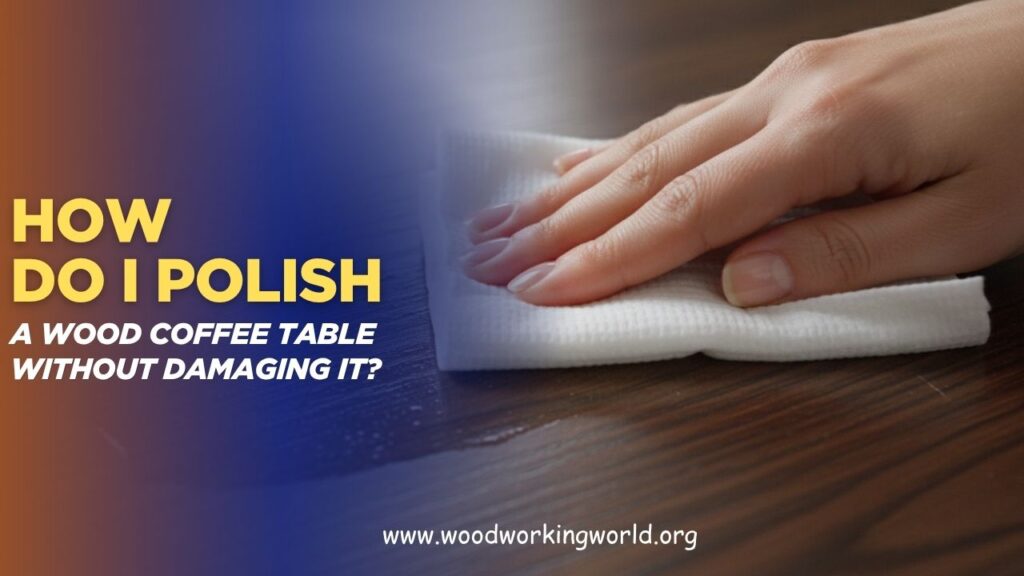
Maintaining the beauty of a wood coffee table requires careful polishing, but using the wrong products or techniques can easily damage the finish. A properly polished table not only looks stunning but also lasts longer, resisting scratches, stains, and wear over time.
In this guide on how to polish a wood coffee table without damaging it, we’ll cover the best polishing products, step-by-step techniques, safety tips, and common mistakes to avoid—helping you restore your table’s shine while keeping its surface protected.
👉 CLICK HERE to Unlock 16,000+ DIY woodworking plans now
Why Polishing Your Coffee Table Matters
Polishing does more than make your table shine — it protects, preserves, and enhances the wood.
Benefits of Polishing:
- Enhances natural beauty: Highlights wood grain and color
- Protects the finish: Guards against spills, heat, and everyday wear
- Prevents wear and tear: Reduces dull spots, scratches, and friction damage
- Extends lifespan: Keeps furniture looking new for decades
Even high-quality finishes like polyurethane or varnish benefit from periodic polishing to maintain their luster and resilience.
👉 CLICK HERE to Unlock 16,000+ DIY woodworking plans now
Step 1: Prepare Your Table
Proper preparation is essential to avoid scratches or streaks.
Cleaning the Surface
- Remove all objects from the table.
- Dust thoroughly with a soft microfiber cloth.
- Wipe with a solution of mild dish soap and warm water, using as little water as possible.
- Dry immediately with a soft, clean cloth.
Pro Tip: Avoid harsh chemicals or abrasive pads that can strip the finish or leave micro-scratches.
Inspect for Damage
- Look for scratches, dents, or water rings.
- Address imperfections first — polishing over damage can make it worse.
Step 2: Choose the Right Polish
The key to safe polishing is using the correct product for your table’s finish.
Recommended Polishes
- Furniture polish or beeswax: Best for varnished or sealed wood
- Lemon oil or linseed oil: Ideal for oil-finished or natural wood
- Paste wax: Provides a durable, protective layer for high-traffic tables
Avoid:
- Silicone-based sprays (leave sticky residue)
- Ammonia or bleach cleaners (can discolor or damage wood)
- Thick oils not designed for furniture (can gum up the surface)
Pro Tip: Always test the polish on an inconspicuous area first to check compatibility and color changes.
Step 3: Apply Polish Correctly
Proper application ensures an even, streak-free finish without damaging the wood.
Steps:
- Apply a small amount of polish to a soft, lint-free cloth.
- Work in the direction of the wood grain.
- Cover the table in small sections for uniform application.
- Avoid over-saturating the surface — excess polish can leave sticky patches.
Pro Tip: Rotate the cloth to a clean area frequently to prevent redistributing dirt or old wax.
Step 4: Buff for Shine
Buffing is essential for smoothness and gloss.
Steps:
- Use a clean microfiber cloth.
- Rub in circular motions or along the grain.
- Remove any excess polish or wax to prevent buildup.
- Repeat if necessary for a deeper, professional shine.
Optional: Allow the polish to cure for a few hours before buffing again to maximize luster.
Step 5: Protect Your Table Between Polishes
Polishing is only part of maintaining your coffee table. Proper protection reduces damage and extends time between polishes.
Protective Tips:
- Use coasters, placemats, or tablecloths to prevent heat and moisture damage
- Wipe spills immediately, even water
- Keep the table out of direct sunlight to prevent fading
- Dust weekly with a soft microfiber cloth
Pro Tip: For oil-finished tables, apply a light coat of mineral or lemon oil every 3–6 months to nourish the wood.
🛠️ Ted’s 16,000 Woodworking Plans – Why You’ll Love It


Polishing Techniques for Different Finishes
Different finishes require tailored approaches.
Varnished or Polyurethane Tables
- Use furniture polish or beeswax
- Apply along the grain, not against it
- Avoid water-based cleaners
Oil-Finished or Unfinished Wood
- Use lemon or linseed oil sparingly
- Rub into the grain, remove excess after 10–15 minutes
- Repeat if needed for deeper conditioning
Waxed Surfaces
- Apply thin paste wax
- Buff gently with a soft cloth
- Avoid thick layers that trap dust
Common Mistakes to Avoid
❌ Polishing over dusty or dirty surfaces
❌ Applying excessive polish or wax
❌ Rubbing against the grain
❌ Ignoring scratches or water rings before polishing
❌ Leaving polish residue to dry unbuffed
Avoiding these errors ensures your table stays smooth, shiny, and protected.
FAQs: Polishing a Wood Coffee Table
1. How often should I polish my table?
- Varnished: every 2–3 months
- Oil-finished or waxed: every 3–6 months
2. Can I use olive oil?
- No — it can go rancid. Stick to furniture-grade oils like lemon or linseed.
3. How do I remove water rings?
- Place a dry cloth over the ring and iron on low heat to evaporate trapped moisture.
4. Can I use a polishing machine?
- Only with a soft wool pad on low speed. Hand polishing is safest.
5. Can polishing hide scratches or dents?
- Minor scratches may be minimized; deeper damage should be repaired first.
Additional Tips for Long-Term Care
- Rotate the table periodically to prevent uneven fading
- Avoid placing hot items directly on the surface
- Maintain stable humidity levels (40–50%) to prevent warping
- Keep polish and wax in a cool, dry place
Comparing Polishes for Coffee Tables
| Finish Type | Recommended Polish | Frequency | Key Benefit |
|---|---|---|---|
| Varnished/Poly | Furniture polish/beeswax | 2–3 months | Enhances shine and protects surface |
| Oil-Finished | Lemon oil/linseed oil | 3–6 months | Nourishes wood, natural look |
| Waxed | Paste wax | 6 months | Adds smooth protective layer |
👉 CLICK HERE to Unlock 16,000+ DIY woodworking plans now
Final Verdict: Polish Your Coffee Table Like a Pro
Polishing a wood coffee table doesn’t have to be intimidating. By preparing properly, choosing the right polish, applying carefully, and buffing correctly, you can maintain a table that is smooth, shiny, and long-lasting.
Bottom line: Treat your furniture gently, follow the grain, and protect it from heat, moisture, and direct sunlight. With regular care, your coffee table will stay a beautiful centerpiece for years to come.
Pro Tip: Combine regular polishing with seasonal care and quality woodworking plans to keep all your furniture in pristine condition.
👉 CLICK HERE to Unlock 16,000+ DIY woodworking plans now