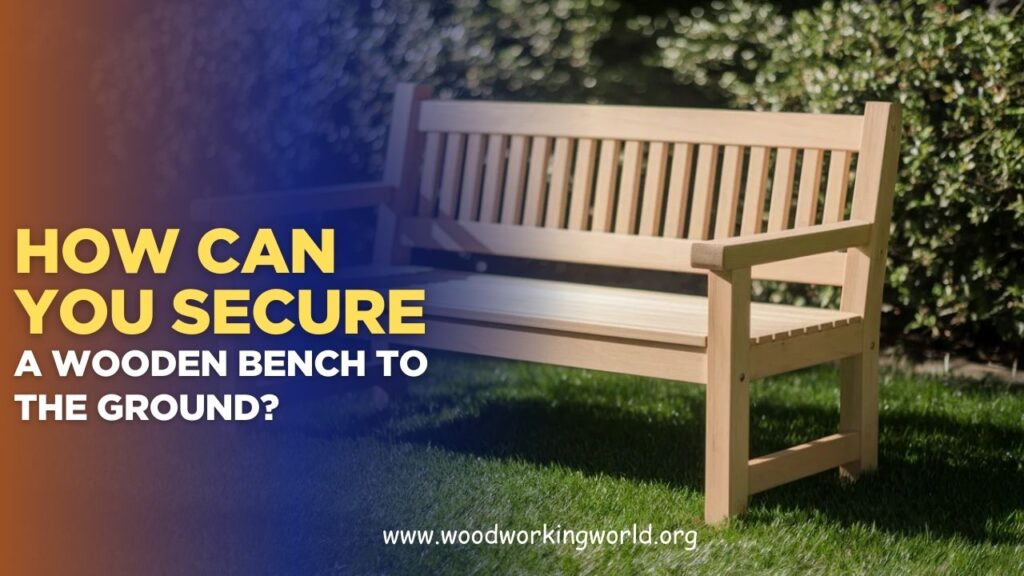
How can you secure a wooden bench to the ground?
Looking to keep your wooden bench safe, stable, and secure? Whether in a garden, patio, or public space, a bench that isn’t properly anchored can tip over, shift, or even get stolen. Securing a wooden bench to the ground not only ensures safety but also prolongs its lifespan and usability.
In this guide, we’ll explore the most effective methods to anchor a wooden bench—covering solutions for concrete, paved surfaces, soil, and grass—so you can enjoy a stable, durable, and worry-free seating option in any outdoor setting.
👉 CLICK HERE to Unlock 16,000+ DIY woodworking plans now
Why Securing Your Wooden Bench Matters
Even a sturdy bench can be unstable if not anchored properly. Benefits of securing a bench include:
- Preventing tipping: Especially important for benches used by children or in public spaces.
- Protection against theft: Outdoor benches can be targeted for theft if lightweight.
- Increased stability: Prevents wobbling, especially on uneven surfaces.
- Prolonged lifespan: Reduces stress on joints and legs, preventing wear and damage.
Think of securing your bench as investing in safety and durability.
👉 CLICK HERE to Unlock 16,000+ DIY woodworking plans now
Step 1: Identify Your Surface Type
The method you choose depends on the surface your bench sits on:
- Concrete or Paved Surfaces: Ideal for patios or sidewalks.
- Wood Decking: Common for backyard or porch benches.
- Soil or Grass: Typical for gardens or open yards.
Each surface requires different anchoring techniques to ensure maximum stability.
Step 2: Securing a Bench on Concrete
Concrete surfaces are solid but require specialized hardware.
Materials Needed:
- Concrete anchor bolts or sleeve anchors
- Drill with masonry bit
- Wrench or socket set
- Level
Steps:
- Position the bench in your desired location.
- Mark the locations of the bench legs on the concrete.
- Drill holes at the marked points using a masonry drill bit.
- Insert concrete anchors or sleeve anchors into the holes.
- Place the bench legs over the anchors and tighten bolts with a wrench.
- Check with a level to ensure the bench is even.
Pro Tip: Drill slowly to avoid cracking the concrete. Use a small amount of lubricant if needed for smooth drilling.

Step 3: Securing a Bench on Wood Decking
Wood decking allows for straightforward anchoring but requires proper placement into structural joists.
Materials Needed:
- Exterior-grade screws or lag bolts
- Drill
Steps:
- Align the bench over the deck.
- Locate joists beneath the decking boards using a stud finder.
- Drill pilot holes through the bench legs into the joists.
- Secure with exterior-grade screws or lag bolts.
- Test stability and adjust as needed.
Pro Tip: Avoid screwing into decking boards only, as they may flex and compromise stability over time.
Step 4: Securing a Bench on Soil or Grass
Outdoor benches on soil or grass require ground spikes or concrete footings for maximum stability.
Option 1: Ground Spikes
- Metal spikes attach to bench legs and are driven into the ground.
- Suitable for small to medium-sized benches.
- Quick and relatively easy to install.
Option 2: Concrete Footings
- Dig holes where each bench leg will sit.
- Pour concrete footings and let them cure for 24–48 hours.
- Attach bench legs using anchor bolts or brackets embedded in the concrete.
- Ensure the bench is level and stable.
Pro Tip: Concrete footings are ideal for heavier benches or high-traffic areas, providing maximum security.
Step 5: Reinforce with Brackets or L-Braces
Adding metal brackets or L-braces can further stabilize your bench:
- Attach one side to the bench leg and the other to the surface (deck, concrete, or patio).
- Brackets reduce lateral movement and prevent wobbling.
- Use galvanized or stainless steel to resist rust and corrosion.
Pro Tip: Brackets are especially useful for benches with thin or lightweight legs, ensuring added support without bulky hardware.
Step 6: Safety and Maintenance Tips
- Regularly check anchors and screws to ensure tightness.
- Use galvanized or stainless steel hardware for outdoor benches to prevent rust.
- Inspect the bench periodically for loose joints, cracked wood, or wobbling.
- Avoid placing heavy objects on the top if the bench is only lightly anchored.
- Refinish or seal wood regularly to prevent water damage and decay, especially outdoors.
Quick Comparison Table: Bench Anchoring Methods
| Surface | Recommended Method | Hardware Needed | Pros |
|---|---|---|---|
| Concrete | Drill-in anchors | Sleeve anchors, bolts | Maximum stability, secure |
| Wood Decking | Screws/lag bolts into joists | Exterior-grade screws/lag bolts | Easy to install, stable |
| Soil/Grass | Ground spikes or concrete footings | Metal spikes, anchor bolts | Weather-resistant, adjustable |
| All Surfaces | L-brackets | Metal brackets | Reduces wobbling, reinforces joints |
Common Mistakes to Avoid
❌ Anchoring only into decking boards instead of joists
❌ Using untreated hardware outdoors, leading to rust
❌ Skipping leveling, resulting in a wobbly bench
❌ Ignoring soil stability; loose ground can cause tipping
❌ Failing to periodically check fasteners
Pro Tip: Correcting these mistakes early prevents long-term damage and ensures your bench is safe for years.
FAQs: Securing Wooden Benches
1. Can I secure a bench without drilling?
- Yes, ground spikes or heavy-duty brackets can provide stability without drilling into surfaces.
2. How high should a bench be above ground when anchored?
- Standard bench height is 18 inches (45 cm); ensure anchors do not interfere with this height.
3. Is it necessary to secure indoor benches?
- Mostly optional, but anchoring is useful for benches in high-traffic areas or homes with children.
4. Can I remove the bench later?
- Yes, but concrete anchors or footings require more effort. Ground spikes or screws are easier to uninstall.
5. How do I prevent rust on outdoor hardware?
- Use galvanized or stainless steel screws, bolts, and brackets, and reapply protective coatings if needed.
Final Verdict: Secure Your Bench for Safety and Longevity
Securing a wooden bench to the ground is essential for safety, stability, and durability. Whether your bench is on concrete, wood decking, soil, or grass, there’s a solution tailored to your surface. With proper anchoring, your bench will remain stable, safe, and aesthetically pleasing for years.
Key Takeaways:
✔ Identify your surface type before choosing anchoring method
✔ Use appropriate hardware: anchors for concrete, screws for decking, spikes or footings for soil
✔ Reinforce with L-brackets to reduce wobbling
✔ Check and maintain fasteners periodically
✔ Protect hardware from rust for outdoor benches
Pro Tip: For maximum stability, especially for heavy benches, combine anchoring methods with brackets or footings, ensuring your bench remains secure in any environment.
👉 CLICK HERE to Unlock 16,000+ DIY woodworking plans now