The Essential Guide to Woodworking Chisels: From Beginner to Expert
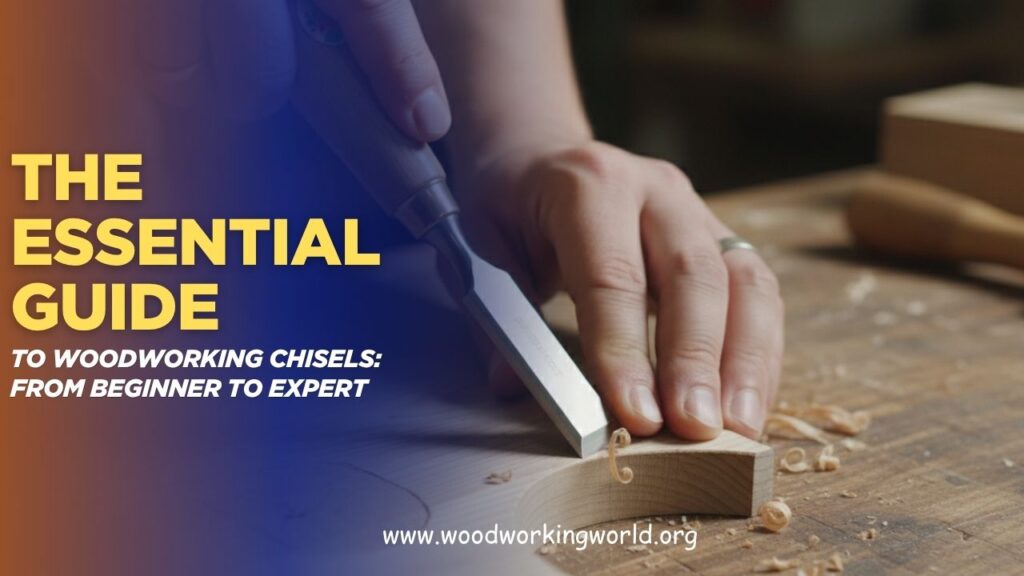
Struggling to get clean, precise cuts in your woodworking projects no matter how carefully you carve? Whether you’re just starting out or looking to refine advanced techniques, mastering the right chisels can make all the difference in your craftsmanship. But with so many types, sizes, and sharpening methods, how do you know which chisels are essential—and how to use them effectively?
In “The Essential Guide to Woodworking Chisels: From Beginner to Expert,” we break down everything you need to know about selecting, handling, and maintaining chisels. You’ll discover the differences between bench chisels, paring chisels, mortise chisels, and specialty tools, plus tips for sharpening, safety, and proper techniques. From simple cuts to intricate joinery, this guide helps you stop guessing and start carving wood with confidence, precision, and professional results at every skill level.
👉 CLICK HERE to Unlock 16,000+ DIY woodworking plans now
1. Chisel Anatomy: The Basics
First, let’s get familiar with the parts of a woodworking chisel. A typical chisel has a blade, bolster, ferrule, and handle. The blade is the part that does the work, while the bolster and ferrule add structural support. The handle, usually made of wood or plastic, provides a comfortable grip.
2. Types of Woodworking Chisels
Woodworking chisels come in different types, each designed for a specific purpose. The most common types include:
- Bench Chisels: These are the go-to chisels in most workshops and can handle a variety of tasks.
- Mortise Chisels: Perfect for cutting mortises, these chisels are designed for heavy-duty work.
- Paring Chisels: Ideal for delicate, precise work like trimming and shaping wood.
- Dovetail Chisels: Designed for creating dovetail joints, these chisels are narrow to fit tight spaces.
3. Choosing the Right Size
Picking the correct size of chisel is key to achieving accurate and efficient results. Bench chisels are usually available in sizes ranging from 1/8 inch to 1 inch. Mortise chisels can be larger, with widths over 1 inch. Paring chisels are thinner for delicate work, and dovetail chisels are narrower for fitting into tight joints.
👉 CLICK HERE to Unlock 16,000+ DIY woodworking plans now
4. Material Matters
Woodworking chisels are typically made from high-carbon steel or high-speed steel:
- High-Carbon Steel: Known for its sharp edge retention, it requires more frequent sharpening.
- High-Speed Steel: Retains its edge longer, reducing how often you need to sharpen.
Consider your budget, usage frequency, and preferences when choosing the material.
5. Handle Comfort and Design
The handle of a woodworking chisel plays a crucial role in user comfort and control.
- Wooden Handles: Traditional and offer a warm feel.
- Plastic or Composite Handles: Durable and wear-resistant.
Ergonomically designed handles with a comfortable grip enhance precision and reduce fatigue during long use.
6. Maintaining Sharpness
A sharp chisel is essential for clean and efficient woodworking. Regular sharpening is a must, and you can use sharpening stones, honing guides, or sharpening jigs to keep your chisels sharp. Understand the sharpening angle—typically 25 to 30 degrees—to ensure optimal performance.


7. Effective Chiseling Techniques
Learning proper chiseling techniques is vital for any woodworker. Mastering paring cuts, chopping cuts, and using a mallet effectively are fundamental skills. Understanding grain direction, making relief cuts, and using the right chisel for the task contribute to professional results.
8. Chisel Storage and Protection
Proper storage and protection of your woodworking chisels prolong their lifespan and keep them performing well. Options like magnetic tool racks, chisel rolls, or custom-made racks can help organize and protect your chisels. Store them in a dry place to prevent rust, and use blade guards or edge protectors when not in use.
9. Safety First
Woodworking can be hazardous, so safety should be a top priority. Always wear appropriate personal protective equipment, like safety glasses and hearing protection. Secure your workpiece properly, keep your hands clear of the cutting edge, and follow proper chiseling techniques to avoid accidents.
10. Investing in Quality
Quality should be prioritized over quantity when it comes to woodworking chisels. Investing in high-quality chisels might seem expensive initially, but their durability, performance, and precision make them worth it in the long run. Quality chisels hold their edge longer and provide a more satisfying woodworking experience.
👉 CLICK HERE to Unlock 16,000+ DIY woodworking plans now
Conclusion: Woodworking Chisels
Woodworking chisels are essential tools for anyone passionate about working with wood. By understanding the types, sizes, materials, and maintenance techniques, you can enhance your skills and create stunning, precise pieces. Whether you’re a seasoned pro or just starting out, the right set of woodworking chisels is your companion on your journey to creating beautiful wooden masterpieces.
I hope this article on Woodworking Chisels has been helpful. If you have any further questions, please feel free to leave a comment below.
👉 CLICK HERE to Unlock 16,000+ DIY woodworking plans now