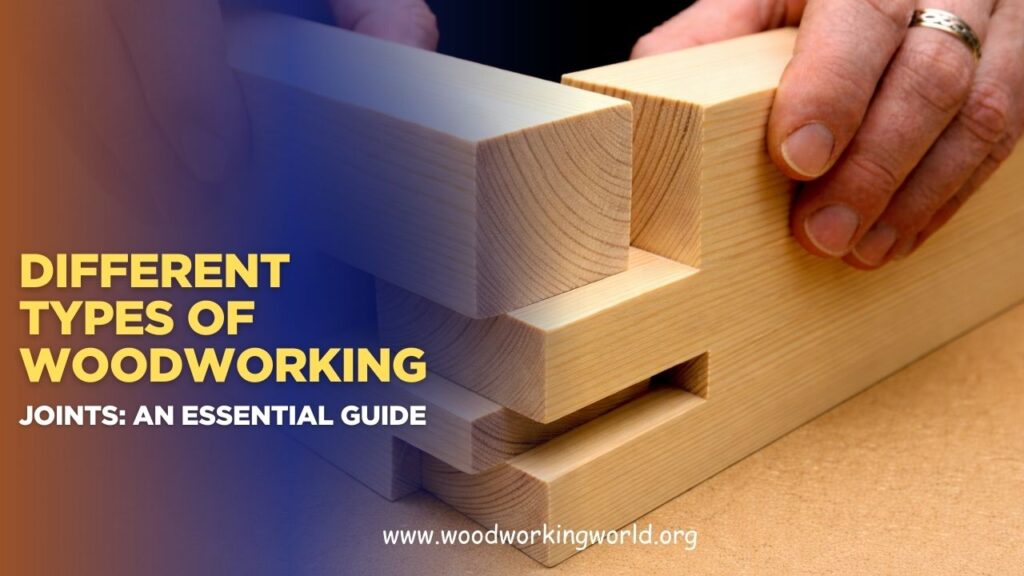
Different Types of Woodworking Joints: An Essential Guide
Understanding the different types of woodworking joints is essential for creating strong, durable, and professional-looking projects—whether you’re a beginner just getting started or an experienced woodworker refining your craft. The right joint doesn’t just hold pieces of wood together; it affects the strength, appearance, and longevity of your finished work.
In this essential guide to the different types of woodworking joints, we’ll explore the most common and practical joints used in woodworking, explaining how they work, when to use them, and what makes each one unique. From simple butt joints to advanced dovetail and mortise-and-tenon techniques, this guide will help you choose the right joint for every project.
👉 CLICK HERE to Unlock 16,000+ DIY woodworking plans now
Why Understanding Woodworking Joints Matters
Woodworking joints are crucial because they:
- Provide strength and stability – Poor joints can weaken a project.
- Enhance appearance – Properly executed joints look clean and professional.
- Facilitate design versatility – Different joints allow for creative assembly methods.
- Reduce material waste – Correct joints save wood and prevent errors.
A strong grasp of joint types allows DIYers and professionals alike to build furniture that lasts for decades.
👉 CLICK HERE to Unlock 16,000+ DIY woodworking plans now
Types of Woodworking Joints
1. Butt Joint
- The simplest and most common joint.
- Joins two pieces of wood end-to-end or edge-to-edge.
- Typically reinforced with nails, screws, or dowels.
- Pros: Easy and quick to make, beginner-friendly.
- Cons: Weak without reinforcement, less durable for heavy loads.
2. Dado Joint
- A slot is cut across the grain of one piece to fit another piece.
- Often used for shelves in cabinets.
- Pros: Stronger than a butt joint, excellent for shelving.
- Cons: Requires precise cutting; visibility may affect aesthetics.
3. Rabbet Joint
- A step-shaped cut along the edge or end of a board to fit another piece.
- Commonly used in cabinet backs and boxes.
- Pros: Provides more surface area for gluing, easy to reinforce.
- Cons: Requires accurate cutting, less decorative.
4. Lap Joint
- Two pieces overlap each other partially or fully.
- Often used in frames and structural applications.
- Pros: Strong, distributes load evenly.
- Cons: Can be bulkier, may need reinforcement for heavy-duty use.
5. Mortise and Tenon Joint
- One piece has a protruding tenon that fits into a mortise cut in the other piece.
- Classic joint used for chairs, tables, and doors.
- Pros: Extremely strong, traditional, and durable.
- Cons: Requires precision cutting and time-consuming assembly.
6. Dovetail Joint
- Interlocking wedge-shaped pins and tails.
- Often used in drawers and decorative boxes.
- Pros: Strong, visually appealing, excellent for fine woodworking.
- Cons: Difficult for beginners, precise cutting required.
7. Biscuit Joint
- Uses oval-shaped wooden “biscuits” inserted into slots cut in both pieces.
- Common for paneling and edge-joining boards.
- Pros: Easy alignment, decent strength, beginner-friendly with a biscuit joiner.
- Cons: Requires a specialized tool, limited load capacity.
8. Finger Joint (Box Joint)
- Interlocking rectangular fingers cut into both pieces.
- Often used for boxes, drawers, and cabinetry.
- Pros: Strong, great for box corners, decorative.
- Cons: Precision cutting required, more time-consuming than butt joints.
9. Pocket Hole Joint
- Angled hole drilled into one piece allows a screw to attach it to another piece.
- Popular for quick furniture assembly.
- Pros: Fast, strong with screws, minimal visibility.
- Cons: Requires a pocket hole jig; screws may be visible if not concealed.
10. Bridle Joint
- Similar to mortise and tenon but open-ended.
- Used for frames and doors.
- Pros: Strong, simple to make, good for large frames.
- Cons: Less aesthetically pleasing than hidden joints.
Choosing the Right Joint for Your Project
When selecting a joint, consider:
- Load and Stress: Will the joint bear weight or just join decorative pieces?
- Aesthetics: Should the joint be hidden or highlighted as a design feature?
- Tools Available: Some joints require specialized tools or jigs.
- Skill Level: Complex joints like dovetails or mortise-and-tenon require experience.
- Material: Hardwoods and softwoods behave differently; joint choice may vary.
Pro Tip: Start with simple joints like butt or biscuit joints, then gradually explore advanced options as your skills improve.

Tools & Tips for Strong Joints
- Clamps: Essential for holding pieces together while glue sets.
- Chisels and Mallets: For mortises, rabbets, and fine shaping.
- Router or Table Saw: For precise slots and dado cuts.
- Pocket Hole Jig or Biscuit Joiner: Makes certain joints faster and more accurate.
- Wood Glue: Provides added strength to most joints.
Tips for Success:
- Dry-fit pieces before gluing to ensure alignment.
- Sand and clean surfaces for better adhesion.
- Reinforce joints with screws, dowels, or nails for extra durability.
- Practice on scrap wood before committing to a final project.
Maintenance and Longevity of Wood Joints
- Avoid exposing joints to excessive moisture to prevent swelling or loosening.
- Tighten screws or clamps on reinforced joints as needed.
- Periodically inspect high-use furniture like chairs or tables for joint integrity.
- Re-glue or reinforce if minor separations occur.
Proper care ensures that your furniture or projects last decades without compromising strength.
Common Mistakes to Avoid
❌ Using the wrong joint for the load – weak joints fail under stress.
❌ Cutting joints too loosely – causes wobbling or instability.
❌ Skipping clamps or glue – reduces overall strength.
❌ Ignoring wood movement – moisture can expand or contract boards.
❌ Rushing the process – precision is key to strong, clean joints.
Avoiding these mistakes guarantees professional-quality results, even for DIY woodworkers.
FAQs: Woodworking Joints
1. What is the strongest woodworking joint?
Mortise and tenon and dovetail joints are generally considered the strongest.
2. Can beginners make dovetail joints?
Yes, with practice and templates, beginners can learn dovetail joints, though they require patience.
3. Are biscuit joints strong enough for furniture?
Yes, for light to moderate load applications like tabletops or paneling.
4. How do I hide screws in pocket hole joints?
Use wood plugs, filler, or place joints in inconspicuous areas.
5. What joint is best for drawer construction?
Dovetail or finger joints are ideal for drawer corners because of their strength and durability.
👉 CLICK HERE to Unlock 16,000+ DIY woodworking plans now
Final Verdict: Master Woodworking Joints for Long-Lasting Projects
Understanding different woodworking joints is essential for anyone serious about building furniture, cabinets, or decorative pieces. Choosing the right joint ensures strength, durability, and a professional finish, while also expanding your design possibilities.
Key Takeaways:
- Match joints to load, aesthetics, and skill level.
- Practice precise cutting, alignment, and finishing.
- Use clamps, glue, and reinforcements for longevity.
- Start with simple joints and progress to advanced joinery.
👉 CLICK HERE to Unlock 16,000+ DIY woodworking plans now