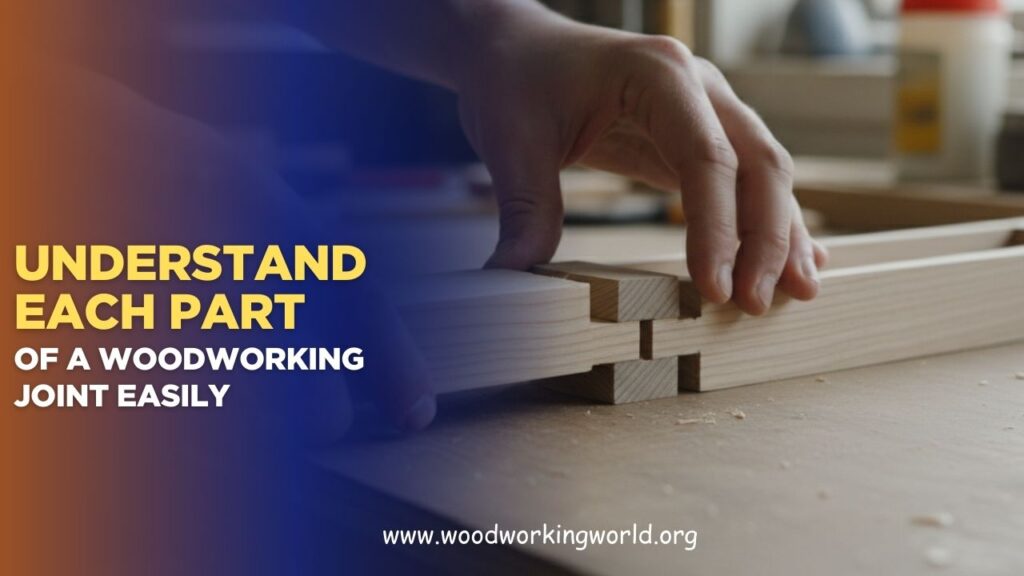
Understand each part of a woodworking joint easily
Mastering woodworking starts with understanding the fundamentals, and knowing each part of a woodworking joint is essential for building strong, precise, and durable pieces. Whether you’re crafting furniture, décor, or functional items, a solid grasp of joints ensures your projects hold together beautifully.
In this guide, “Understand Each Part of a Woodworking Joint Easily,” we’ll break down different types of joints, explain their key components, and provide simple tips for identifying and using them correctly. By the end, you’ll confidently understand woodworking joints and be ready to apply that knowledge to your own projects.
👉 CLICK HERE to Unlock 16,000+ DIY woodworking plans now
Why Understanding Woodworking Joints Matters
- Strength and Durability: Proper joinery enhances the structural integrity of wood projects.
- Aesthetic Appeal: Some joints add to the beauty of furniture and woodworking designs.
- Functionality: Different joints serve different functions, such as allowing movement or securing pieces firmly together.
- Craftsmanship: A good understanding of woodworking joints improves skill level and precision.
👉 CLICK HERE to Unlock 16,000+ DIY woodworking plans now
Step-by-Step Guide to Woodworking Joint Parts
Each woodworking joint consists of specific parts that contribute to its functionality. Below, we break down the key components of common woodworking joints to make it easier for you to understand and apply them in your projects.
1. Butt Joint
Parts of a Butt Joint:
- End grain: The surface where one piece of wood meets another at a right angle.
- Face grain: The main surface of the board where glue is applied for adhesion.
- Fasteners (optional): Screws, nails, or dowels that provide additional support.
Usage: Simple construction where strength is not the primary concern, such as rough framing.
2. Dovetail Joint
Parts of a Dovetail Joint:
- Tails: Wedge-shaped projections that fit into sockets.
- Pins: Rectangular recesses that interlock with the tails.
- Socket: The space between pins where the tails fit snugly.
- Glue surface: The area where adhesive is applied for reinforcement.
Usage: High-quality furniture, drawers, and fine woodworking.
3. Mortise and Tenon Joint
Parts of a Mortise and Tenon Joint:
- Mortise: A rectangular hole cut into one piece of wood.
- Tenon: A protruding end of another piece of wood that fits into the mortise.
- Shoulders: The flat surface that rests against the mortise for alignment.
- Glue and Pegs (optional): Used to strengthen the joint.
Usage: Doors, tables, chairs, and heavy-duty structures.
4. Lap Joint
Parts of a Lap Joint:
- Notch: The area removed from each piece to allow them to overlap.
- Glue Surface: The area where adhesive is applied.
- Fasteners (optional): Nails, screws, or dowels for additional support.
Usage: Structural framing and cabinetmaking.
5. Box Joint
Parts of a Box Joint:
- Fingers: Interlocking rectangular projections that provide strength.
- Slots: Spaces between fingers to ensure a tight fit.
- Glue Surface: The adhesive bonding area.
Usage: Box construction, decorative woodwork, and strong corner joints.
6. Biscuit Joint
Parts of a Biscuit Joint:
- Biscuit: A small, oval-shaped piece of wood that swells with glue.
- Slots: Grooves cut into the wood to hold the biscuit.
- Glue Surface: The area where adhesive is applied.
Usage: Tabletops, edge joining, and panel assembly.
🛠️ Ted’s 16,000 Woodworking Plans – Why You’ll Love It

Comparison Table: Woodworking Joints
| Joint Type | Strength | Aesthetic | Best for | Requires Fasteners? |
|---|---|---|---|---|
| Butt Joint | Low | Minimal | Basic structures | Yes (optional) |
| Dovetail Joint | High | Excellent | Drawers, furniture | No |
| Mortise & Tenon | Very High | Good | Heavy-duty projects | No (optional pegs) |
| Lap Joint | Medium | Moderate | Framing, cabinetry | Yes (optional) |
| Box Joint | High | Decorative | Boxes, cabinetry | No |
| Biscuit Joint | Medium | Good | Panel assembly, tabletops | No |
Expert Tip
“A well-crafted joint is the foundation of excellent woodworking. The right joint can make all the difference in longevity and strength.” — Chris Schwarz, Master Woodworker
👉 CLICK HERE to Unlock 16,000+ DIY woodworking plans now
FAQs About Woodworking Joints
1. What is the strongest woodworking joint?
The mortise and tenon joint is considered one of the strongest due to its large glue surface and interlocking structure.
2. Which joint is best for beginners?
The butt joint is the easiest for beginners, requiring only simple cuts and glue or fasteners.
3. How do I ensure a perfect dovetail joint?
Use precise measurements, sharp chisels, and a dovetail saw for clean, accurate cuts.
4. Can I strengthen a weak joint?
Yes, applying glue, dowels, screws, or reinforcements like brackets can improve joint strength.
5. Do all joints require glue?
Not all. Some, like the dovetail and mortise and tenon joints, rely on interlocking strength but can be reinforced with glue.
Conclusion
Understanding the different parts of woodworking joints is crucial for creating strong and lasting structures. Whether you are crafting furniture, cabinetry, or decorative pieces, selecting and mastering the right joint will enhance your woodworking skills. With this guide, you are now equipped with the knowledge to choose and construct the best joints for your projects. Happy woodworking!
👉 CLICK HERE to Unlock 16,000+ DIY woodworking plans now