How to Make a Scrap Wood Birdhouse
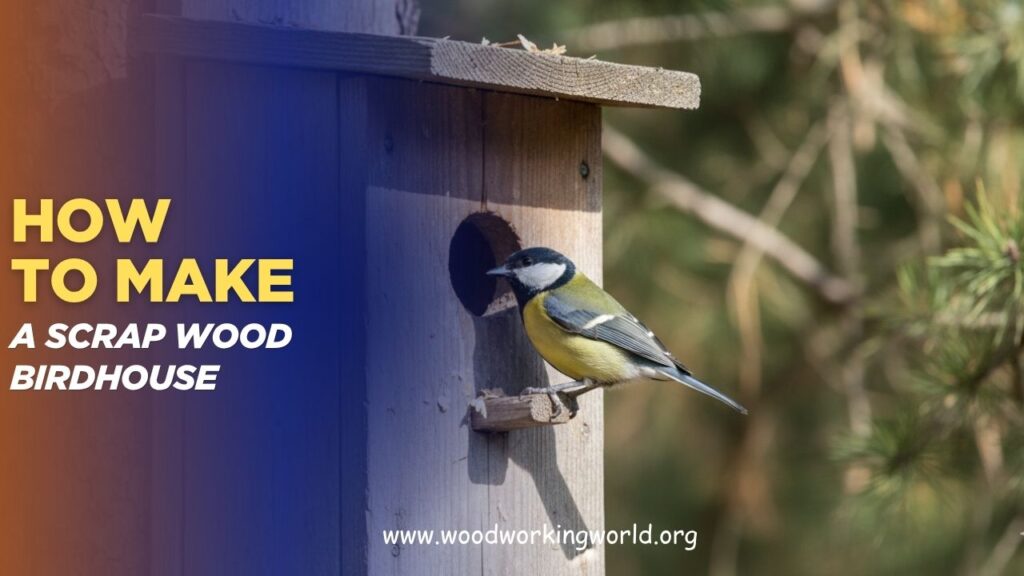
Want to create a charming home for backyard birds without spending a fortune? Making a birdhouse from scrap wood is a fun, eco-friendly project that transforms leftover materials into a cozy little haven for feathered friends. Even if you’re new to woodworking, a simple birdhouse is a perfect way to get started.
In this step-by-step guide, we’ll show you how to select the right scrap wood, gather the necessary tools, and assemble a sturdy, weather-ready birdhouse—so you can enjoy the satisfaction of building something useful, beautiful, and wildlife-friendly.
👉 CLICK HERE to Unlock 16,000+ DIY woodworking plans now
Why Build a Birdhouse from Scrap Wood?
There are several compelling reasons to use scrap wood for birdhouses:
- Eco-Friendly: Reduces waste by repurposing leftover lumber.
- Cost-Effective: Minimal investment, especially if you already have scrap pieces.
- Customizable: Size, shape, and design can be tailored to local bird species.
- Educational: A fun way to teach kids about woodworking and wildlife.
- Creative Outlet: Allows for unique designs, decorative touches, and natural finishes.
By transforming scraps into a functional birdhouse, you combine craftsmanship, sustainability, and creativity.
👉 CLICK HERE to Unlock 16,000+ DIY woodworking plans now
Tools and Materials Needed
To build a durable birdhouse, gather these items:
- Scrap Wood: 1”–2” thick, untreated hardwood or softwood (avoid pressure-treated lumber).
- Wood Screws or Nails: 1”–2” finishing nails or screws.
- Wood Glue: Optional, for extra stability.
- Sandpaper: Medium and fine grit.
- Paint or Sealant: Non-toxic, outdoor-safe finishes.
- Saw: Hand saw, jigsaw, or circular saw.
- Drill and Drill Bits: For entry hole, ventilation, and drainage.
- Measuring Tape, Square, and Pencil: For accurate measurements and markings.
Pro Tip: Inspect scrap wood for rot, cracks, or nails before starting your project.
Step 1: Plan Your Birdhouse Design
Proper planning ensures your birdhouse is functional and safe:
- Front Panel: Include an entry hole appropriate for local birds (1 1/8” for songbirds, up to 1 1/2” for larger species).
- Side Panels: Rectangular or slightly angled for proper roof fit.
- Back Panel: Consider making it removable for cleaning.
- Floor: Slightly recessed to prevent water accumulation.
- Roof: Slanted for rain runoff; overhang edges to protect the entrance.
Tip: Draw your design on paper or cardboard before cutting wood. This helps avoid mistakes.
Step 2: Cut the Wood Pieces
Using your design, cut each piece from scrap wood:
- Front Panel: Include the entry hole.
- Back Panel: Slightly larger if you want it removable.
- Side Panels: Matching height and depth.
- Floor Panel: Slightly smaller than the sides to fit snugly.
- Roof Panels: Cut at an angle for water runoff.
Safety Tip: Always wear safety goggles and gloves when cutting or drilling wood.
Step 3: Sand All Edges and Surfaces
Sanding ensures a smooth finish and safe surfaces for birds:
- Start with medium-grit sandpaper (80–120 grit) to remove rough spots.
- Finish with fine-grit sandpaper (180–220 grit) for smooth edges.
- Sand the entry hole carefully to prevent splinters.
Smooth surfaces prevent injury to birds and make the birdhouse visually appealing.
Step 4: Assemble the Birdhouse
- Attach Side Panels: Use wood glue and nails or screws.
- Attach Floor: Fit snugly; leave no gaps.
- Attach Front Panel: Align entry hole properly.
- Attach Back Panel: Optional—make it removable for cleaning.
- Add Roof Panels: Ensure proper overhang for rain protection.
Pro Tip: Pre-drill screw holes to prevent splitting, especially in hardwood scraps.
Step 5: Add Ventilation and Drainage
Proper airflow and drainage are essential:
- Drill small ventilation holes near the top of the side panels.
- Drill tiny drainage holes in the floor to prevent water buildup.
- Ensure openings are small enough to keep predators out.
Ventilation and drainage extend the birdhouse’s lifespan and keep birds safe.
🛠️ Ted’s 16,000 Woodworking Plans – Why You’ll Love It

Step 6: Finish the Birdhouse
- Seal the Wood: Apply non-toxic outdoor sealant or natural oil for durability.
- Optional Painting: Use water-based, non-toxic paints. Avoid bright colors that attract predators.
- Decorative Elements: Minimal perches, moss, or trim can enhance aesthetics without compromising safety.
Pro Tip: Keep the interior natural—do not paint or seal where birds will nest.
Step 7: Placement Tips
Where you place your birdhouse impacts its effectiveness:
- Mount 5–10 feet above the ground on a post, tree, or wall.
- Provide partial shade to protect birds from direct sunlight.
- Avoid areas with high predator activity (cats, raccoons).
- Face the entry hole away from prevailing winds and heavy rain.
- Space multiple birdhouses 10–20 feet apart to prevent territorial conflicts.
Proper placement ensures birds feel safe and encourages nesting.
FAQs: Scrap Wood Birdhouses
1. Can I use painted scrap wood?
Yes, as long as the paint is non-toxic and not applied inside the house.
2. How big should the entry hole be?
1 1/8” for small songbirds, up to 1 1/2” for larger species.
3. How do I clean a birdhouse?
Remove the back panel or roof annually. Scrub with mild soap, rinse, and air dry.
4. Can one birdhouse host multiple species?
Not usually. Each entry hole suits specific species. Use multiple houses for diversity.
5. How long does a wooden birdhouse last?
With proper materials, sealant, and maintenance, a birdhouse can last 5–10 years or longer.
Common Mistakes to Avoid
❌ Using treated or toxic wood.
❌ Skipping drainage and ventilation holes.
❌ Placing the birdhouse too low or in direct sun.
❌ Making entry holes too large for intended species.
❌ Neglecting maintenance, leading to wear or rot.
Avoid these mistakes to create a safe, durable home for birds.
Bonus Tips for Creativity
- Rustic Style: Leave natural wood for a rustic charm.
- Decorative Roof: Add moss, twigs, or small carvings.
- Miniature Village: Build multiple birdhouses for a backyard display.
- Seasonal Designs: Paint subtle seasonal motifs for added flair.
Creativity and function can go hand-in-hand when building birdhouses.
👉 CLICK HERE to Unlock 16,000+ DIY woodworking plans now
Final Verdict: Turn Scrap Wood into a Cozy Home
A scrap wood birdhouse is more than a woodworking project—it’s a sustainable, functional, and beautiful addition to your backyard. With careful planning, proper assembly, and thoughtful placement, you can provide a safe haven for birds while giving new life to leftover wood.
Key Takeaways:
- Use untreated, safe scrap wood.
- Plan size, entry hole, and roof design carefully.
- Sand and assemble with care, adding ventilation and drainage.
- Seal and optionally paint with non-toxic finishes.
- Place in a safe, shaded location and maintain yearly.
👉 CLICK HERE to Unlock 16,000+ DIY woodworking plans now