How to Build a Folding Plant Stand: Elevate Your Greenery Game
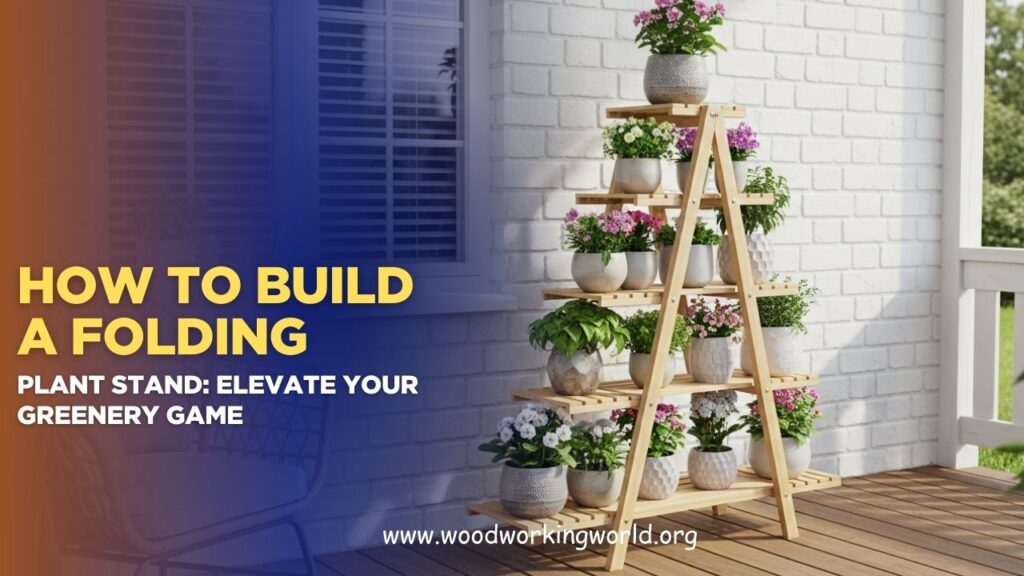
Building a folding plant stand is a smart way to showcase your greenery while saving space and adding a touch of handmade charm to your home or garden. Whether you’re short on room or simply want a flexible display for your plants, a well-designed folding stand can be both practical and visually appealing.
In this guide, “How to Build a Folding Plant Stand: Elevate Your Greenery Game,” you’ll learn the step-by-step process, essential tools and materials, design tips, and finishing ideas to create a sturdy, stylish stand that fits your space perfectly. By the end, you’ll have a functional DIY project that enhances your plants and elevates your overall décor.
👉 CLICK HERE to Unlock 16,000+ DIY woodworking plans now
Why a Folding Plant Stand is a Must-Have
Folding plant stands offer several advantages over traditional fixed stands:
- Space-Saving: Ideal for small apartments, patios, or balcony gardens.
- Portable: Easily move your plants to different rooms or outdoors.
- Versatile Design: Accommodates a variety of plant sizes and pot shapes.
- Stylish Display: Adds a decorative touch while keeping plants organized.
- DIY-Friendly: Customizable to your style, space, and plant collection.
Think of a folding plant stand as a functional piece of décor, giving your greenery prominence without sacrificing floor space.
👉 CLICK HERE to Unlock 16,000+ DIY woodworking plans now
Choosing Materials for Your Plant Stand
The materials you select will impact durability, appearance, and weight. Here are some top options:
- Hardwood (Oak, Maple, Walnut): Strong, durable, and visually appealing. Perfect for indoor use.
- Plywood: Cost-effective and lightweight; works well if you plan to paint or stain.
- Bamboo: Eco-friendly and naturally resistant to moisture; ideal for outdoor or semi-outdoor use.
- Metal Hinges: Essential for foldability; choose corrosion-resistant metal for outdoor stands.
👉 Pro Tip: Choose a wood that complements your home décor and can support the weight of your plants safely.
Designing Your Folding Plant Stand
Before cutting any wood, plan your design:
- Determine Size: Consider the space where you’ll place it and the height of your plants. A standard folding stand is 24–36 inches tall with tiered shelves for multiple plants.
- Decide on Number of Tiers: Two or three tiers are ideal for displaying small to medium pots without overcrowding.
- Consider Shelf Width: Shelves should be wide enough to hold your pots securely but narrow enough to keep the stand lightweight and foldable.
- Plan Foldability: Ensure the stand folds flat without trapping plant pots. Hinges must be positioned carefully for smooth operation.
Step-by-Step Construction
Tools You’ll Need:
- Saw (table saw or handsaw)
- Drill and screws
- Measuring tape and pencil
- Sandpaper or power sander
- Wood glue
- Hinges (folding hardware)
- Clamps
Step 1: Cut the Wood
Measure and cut the wood for your legs, shelves, and support braces. Ensure all pieces are evenly cut for stability.
Step 2: Sand and Smooth
Sand all surfaces and edges to prevent splinters. Smooth wood also accepts stain or paint more evenly.
Step 3: Assemble Shelves and Supports
Attach support braces to the shelves using wood glue and screws. Make sure the shelves are level and sturdy.
Step 4: Attach the Legs
Connect the legs to the shelves with screws, leaving space for the folding hinges. Check that legs align properly for smooth folding.
Step 5: Install Hinges
Attach hinges at the pivot points of the legs to allow folding. Test the stand multiple times to ensure it folds and unfolds smoothly without wobbling.
Step 6: Finish
Apply your desired finish—paint, stain, or natural oil—to protect the wood and enhance its appearance.
👉 Pro Tip: Use non-slip pads on the bottom of legs for indoor use or moisture-resistant finish for outdoor plants


Styling Your Folding Plant Stand
A folding plant stand isn’t just functional—it’s also a design element:
- Tiered Display: Arrange plants by height or leaf color for visual interest.
- Mix Pots and Containers: Use a combination of clay, ceramic, and woven baskets for texture.
- Complement Room Décor: Choose finishes or stains that match your existing furniture.
- Rotate Plants: Easily fold and move your stand to follow sunlight patterns or refresh your display.
Maintaining Your Plant Stand
Proper maintenance ensures your folding plant stand remains durable and attractive:
- Check Hinges Regularly: Tighten screws to maintain stability.
- Protect from Moisture: Use a waterproof finish or sealant for outdoor stands.
- Clean Surfaces: Wipe down with a damp cloth to remove dust, dirt, and water stains.
- Inspect Wood: Look for cracks or warping, especially if exposed to outdoor elements.
- Weight Limit: Avoid overloading shelves to prevent bending or collapsing.
Common Mistakes to Avoid
❌ Using weak or thin wood that can’t support plant weight
❌ Improper hinge placement, causing wobbling or difficult folding
❌ Overcrowding shelves, leading to instability
❌ Neglecting finishes, which can cause wood damage over time
❌ Ignoring plant growth needs like sunlight and airflow
By avoiding these mistakes, your folding plant stand will be both functional and long-lasting.
FAQs: Folding Plant Stands
- Can I use a folding plant stand outdoors?
Yes, but use weather-resistant wood and metal hinges, and apply waterproof sealant. - How many plants can a standard folding stand hold?
Two to three tiers typically hold 4–6 small to medium pots, depending on shelf width. - Can I make a custom-sized stand?
Absolutely! Measure your space and plant sizes to create a stand that fits perfectly. - Do I need special tools to build one?
Basic woodworking tools like a saw, drill, and sandpaper are sufficient for most DIY builds. - How do I prevent tipping?
Ensure a wide enough base, evenly spaced shelves, and avoid placing heavy pots on the top tier.
👉 CLICK HERE to Unlock 16,000+ DIY woodworking plans now
Final Verdict: Elevate Your Greenery Game
A folding plant stand combines functionality, portability, and style, making it a must-have for plant enthusiasts. With proper design, construction, and maintenance, it can transform your home or office into a vibrant, green oasis.
Key Takeaways:
✔ Choose strong, durable wood for stability
✔ Plan size, tiers, and foldability according to your space
✔ Sand, assemble, and finish carefully for a polished look
✔ Style with plants of varying heights, textures, and pots
✔ Maintain hinges and wood to ensure long-term use
By following these expert tips, your folding plant stand will not only showcase your plants beautifully but also offer convenience and versatility for years to come.
Ready to build your folding plant stand? Explore 16,000 woodworking plans and step-by-step guides today!
👉 CLICK HERE to Unlock 16,000+ DIY woodworking plans now