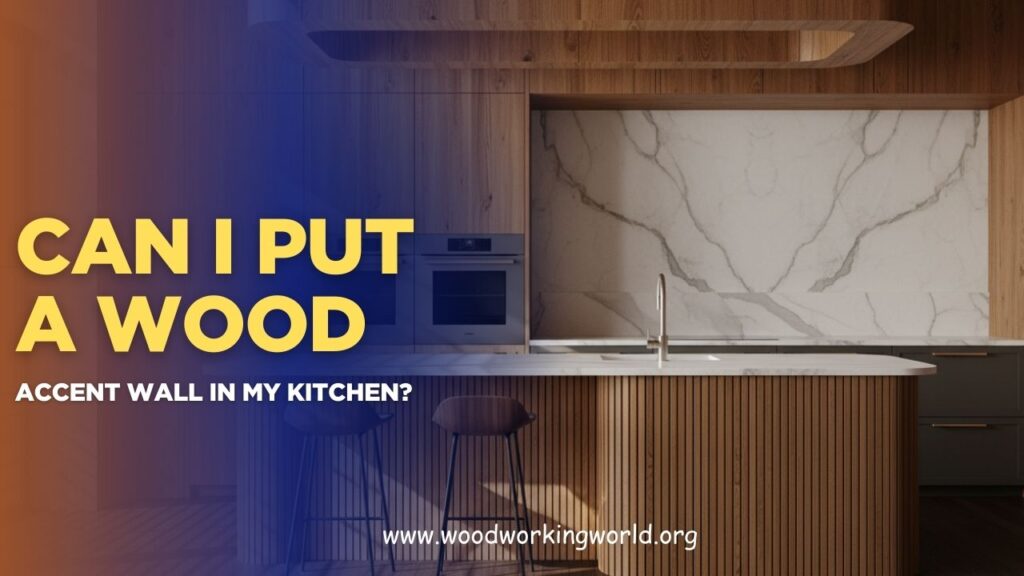
Can I put a wood accent wall in my kitchen?
Wondering if a wood accent wall can work in one of the busiest rooms in your home? The kitchen is full of moisture, heat, and occasional spills, so adding wood requires careful planning—but it’s absolutely possible. When done correctly, a wood accent wall can add warmth, texture, and a striking focal point that elevates your kitchen’s style.
In this guide, we’ll explore how to safely and stylishly incorporate a wood accent wall in your kitchen, including the best wood types, finishes, placement ideas, and maintenance tips—so you can enjoy both beauty and functionality in this high-traffic space.
👉 CLICK HERE to Unlock 16,000+ DIY woodworking plans now
Why Add a Wood Accent Wall in Your Kitchen?
Adding a wood accent wall in your kitchen offers both aesthetic and functional benefits:
- Warmth and Texture: Wood introduces natural tones and texture, softening the often cold look of tile, metal, and stone.
- Focal Point: Creates a visual anchor behind dining areas, islands, or open shelving.
- Style Versatility: Works with modern, farmhouse, rustic, or industrial kitchens.
- Functional Backdrop: Wood can complement shelving, hooks, and storage solutions for kitchen tools.
Unlike paint or tile, wood brings a layer of depth and character that enhances the overall atmosphere of the kitchen.
👉 CLICK HERE to Unlock 16,000+ DIY woodworking plans now
Choosing the Right Wood for Kitchen Accent Walls
Kitchens are high-moisture, high-traffic environments, so selecting the right wood is critical.
Recommended Wood Types:
- Hardwoods – Oak, maple, and cherry are durable and resistant to moisture and dents.
- Engineered Wood or Plywood – More stable than solid wood, less prone to warping with humidity fluctuations.
- Reclaimed Wood – Adds rustic charm but must be clean, dry, and properly treated.
Tip: Avoid softwoods like untreated pine near sinks or stoves, as they can dent easily and absorb moisture.
Protecting Your Kitchen Wood Accent Wall
Since kitchens are exposed to steam, spills, and heat, protecting your wood wall is essential.
1. Use Protective Finishes
- Polyurethane: Creates a strong, water-resistant layer, ideal for high-traffic kitchens.
- Spar Varnish: Flexible, moisture- and heat-resistant, perfect for areas near stoves or sinks.
- Oil-Based Finishes: Linseed or tung oil penetrates wood and maintains a natural appearance while offering some protection.
Tip: Apply multiple coats, sealing edges and ends to prevent water penetration.
2. Install a Backsplash Where Needed
- Consider tile, glass, or stainless steel behind sinks and cooking areas to protect wood from direct moisture.
- Wood can thrive in spaces away from direct splashes if sealed properly.
3. Ensure Proper Ventilation
- Use exhaust fans or hoods to reduce steam and humidity while cooking.
- Open windows when possible to maintain air circulation and reduce condensation.
Placement Ideas for Kitchen Wood Accent Walls
1. Behind Dining or Breakfast Nooks
- A vertical plank wall adds cozy charm to small eating areas.
- Floating shelves can enhance functionality and style.
2. Island Feature
- Paneling the side of an island introduces texture and visual interest.
- Distressed wood works well for a rustic farmhouse look.
3. Open Shelving Backdrop
- Wood walls provide a warm, cohesive background for displaying kitchenware, jars, and décor.
4. Partial Walls or Wainscoting
- Applying wood only to the lower portion of a wall combines style and practicality, allowing easy cleanup above.
Installation Tips for Kitchen Wood Accent Walls
1. Acclimate Your Wood
Allow wood to sit in the kitchen for 1–2 weeks to adjust to humidity and temperature, reducing the risk of warping.
2. Leave Expansion Gaps
- Wood expands and contracts naturally.
- Leave small gaps around edges and corners to accommodate movement.
3. Use the Right Fasteners
- Stainless steel or coated nails prevent rust stains.
- Construction adhesive can supplement nails for added stability.
4. Seal Before and After Installation
- Apply a protective finish to each board before attaching.
- Seal edges, ends, and seams after installation for maximum protection.
Maintaining a Wood Accent Wall in the Kitchen
Regular maintenance is essential to keep your wall looking fresh and damage-free.
- Clean Gently: Wipe spills with a soft, damp cloth immediately.
- Avoid Harsh Chemicals: Ammonia, bleach, or abrasive cleaners can strip protective finishes.
- Polish Occasionally: Use natural oils or wax to maintain moisture resistance and shine.
- Inspect for Damage: Look for warping, mold, or stains and address promptly.
Pro Tip: Keep leftover finish or oil for touch-ups to restore your wall after minor damage.


Design Ideas and Finishes for Kitchens
- Light Stains or Natural Wood: Brighten the space and make it feel larger.
- Dark Stains: Add drama and contrast, especially with neutral cabinets.
- Vertical Planks: Make ceilings appear taller.
- Horizontal Planks: Visually widen narrow kitchens.
- Patterned Wood: Herringbone or chevron designs add a modern, stylish twist.
Combine wood with stone, metal, or tile for a balanced, functional, and aesthetically pleasing kitchen.
Common Mistakes to Avoid
- ❌ Using untreated wood near sinks, stoves, or dishwashers
- ❌ Skipping protective finishes or sealants
- ❌ Failing to leave expansion gaps
- ❌ Neglecting ventilation, leading to mold or warping
- ❌ Overwhelming the space with too much dark wood, making it feel smaller
Avoiding these mistakes ensures your kitchen wood accent wall remains beautiful and durable.
FAQs: Wood Accent Walls in Kitchens
1. Can I use reclaimed wood in a kitchen?
Yes, if it is clean, dry, and sealed properly for moisture and heat resistance.
2. How often should I reseal my kitchen wood wall?
Every 2–3 years, depending on exposure to steam, spills, and cooking activities.
3. Can I place wood directly behind the stove?
It’s safer to use a heat-resistant backsplash (tile, metal, or glass) directly behind cooking areas and reserve wood for other walls.
4. Which finishes are best for kitchen wood walls?
Polyurethane, spar varnish, or oil-based finishes provide moisture and heat protection.
5. Will a wood accent wall make my kitchen feel smaller?
Light-colored stains and vertical planks help brighten and elongate the space, preventing a cramped look.
👉 CLICK HERE to Unlock 16,000+ DIY woodworking plans now
Final Verdict: Can You Put a Wood Accent Wall in the Kitchen?
A wood accent wall can transform your kitchen into a warm, inviting, and stylish space. With the right wood type, protective finish, installation techniques, and maintenance, wood can thrive even in high-moisture and high-traffic areas.
Key Takeaways:
- Choose moisture-resistant wood or treated planks
- Seal with polyurethane, spar varnish, or oil for durability
- Leave expansion gaps and use proper fasteners
- Maintain proper ventilation and indoor humidity
- Protect high-risk areas with backsplashes
👉 CLICK HERE to Unlock 16,000+ DIY woodworking plans now