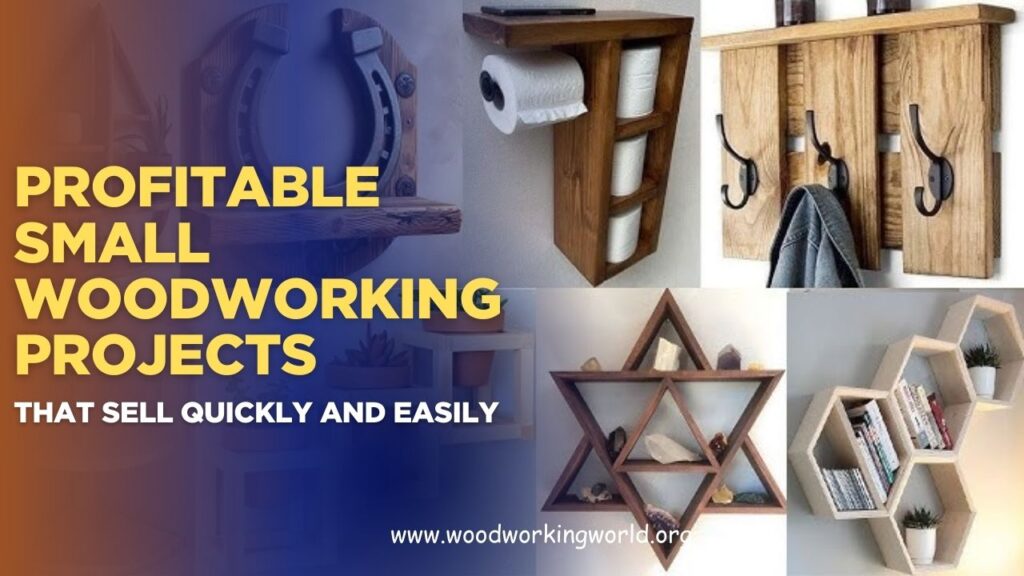
Profitable small woodworking projects that sell quickly and easily
Struggling to find small woodworking ideas that actually sell—without requiring a huge workshop, expensive tools, or weeks of labor? Many woodworkers are turning to simple, low-cost projects that consistently attract buyers at craft fairs, online marketplaces, and local shops. But which small builds truly sell fast—and which ones end up collecting dust in your inventory?
In this complete guide to profitable small woodworking projects, we’ll highlight the top items buyers love, the materials you need, real-world pricing suggestions, beginner-friendly tips, and most importantly—how to choose projects that sell quickly, easily, and predictably.
👉 CLICK HERE to Unlock 16,000+ DIY woodworking plans now
Many aspiring woodworkers wonder what products they can make that will generate consistent sales. The key to success in woodworking sales is identifying small, high-demand projects that are easy to make and cost-effective. Small items often require less material, take less time to craft, and are more affordable for customers, making them sell faster.
From home decor and kitchen accessories to personalized gifts and outdoor items, countless small woodworking projects can be turned into bestsellers. This guide will cover some of the most profitable options, ensuring you invest your time wisely and maximize your profits.
👉 CLICK HERE to Unlock 16,000+ DIY woodworking plans now
Step-by-Step Process to Selling Small Woodworking Projects
Step 1: Identify the Best-Selling Products
Before you start crafting, research the market to identify high-demand products. Some of the best-selling small woodworking projects include:
- Cutting boards
- Wooden coasters
- Personalized wooden signs
- Floating shelves
- Phone stands
- Jewelry boxes
- Wooden keychains
- Spice racks
- Wine bottle holders
- Birdhouses
Step 2: Source High-Quality Materials
The quality of wood you use directly impacts the appeal and durability of your products. Some of the best types of wood for small projects include:
- Pine – Affordable and easy to work with.
- Cedar – Naturally resistant to moisture and insects, great for outdoor items.
- Oak – Strong and durable, perfect for furniture and decor items.
- Maple – Hard and smooth, ideal for cutting boards and kitchenware.
- Walnut – Premium wood with a rich finish for high-end products.
Step 3: Invest in Essential Tools
To efficiently create small woodworking projects, invest in these essential tools:
- Table saw or circular saw
- Jigsaw
- Sanding machine or sandpaper
- Wood glue and clamps
- Drill and screwdriver set
- Wood stain and sealant
- Measuring tape and ruler
- Branding tool (for custom logos)
Step 4: Create Unique and High-Quality Products
Differentiation is key to standing out in the market. Consider adding:
- Personalization – Engraving names, initials, or special dates.
- Custom finishes – Staining, painting, or distressing for a unique look.
- Thematic designs – Seasonal or holiday-themed items for year-round sales.
Step 5: Set Competitive Pricing
To ensure your pricing is competitive yet profitable, factor in:
- Material costs – Wood, paint, stain, glue, screws, etc.
- Time investment – How long it takes to craft each piece.
- Market pricing – Compare similar products on Etsy, eBay, or local markets.
- Profit margin – Aim for at least a 40-50% profit on each item.
Step 6: Market Your Woodworking Projects
Marketing is crucial to selling your products quickly. Consider these platforms:
- Etsy – A great platform for handmade and custom products.
- Facebook Marketplace – Ideal for local sales.
- Instagram & Pinterest – Showcase your work with high-quality photos.
- Craft fairs & farmers markets – Direct sales opportunities.
- Amazon Handmade – Expands your reach to a global audience.
Step 7: Provide Excellent Customer Service
Happy customers lead to repeat sales and referrals. Ensure:
- Fast and safe shipping
- Clear communication with buyers
- Customization options for better personalization
- Quality packaging for a professional touch


Comparison Table: Best Small Woodworking Projects for Profits
| Product | Difficulty Level | Materials Needed | Average Selling Price | Profit Margin |
|---|---|---|---|---|
| Cutting Boards | Easy | Maple, Walnut | $25 – $50 | 50-70% |
| Wooden Coasters | Very Easy | Pine, Oak | $10 – $30 | 60-80% |
| Personalized Signs | Medium | Cedar, Plywood | $40 – $100 | 50-60% |
| Floating Shelves | Easy | Pine, Oak | $35 – $70 | 50-65% |
| Phone Stands | Very Easy | Walnut, Birch | $15 – $40 | 55-75% |
| Birdhouses | Medium | Cedar, Pine | $25 – $60 | 50-70% |
Bullet Points: Key Selling Points of Small Woodworking Projects
- Low investment, high returns – Small projects require minimal material and tools.
- Fast turnaround time – Most small projects can be completed in a few hours.
- High demand and repeat customers – Popular items like cutting boards and shelves always sell.
- Easy customization – Personalization options increase perceived value.
- Versatile selling platforms – Sell online, locally, or at craft fairs.
Relevant Quote
“Quality is never an accident. It is always the result of intelligent effort.” – John Ruskin
FAQs About Small Woodworking Projects
1. What are the most profitable small woodworking projects?
Some of the most profitable small woodworking projects include cutting boards, wooden coasters, floating shelves, phone stands, and personalized wooden signs.
2. How much should I charge for my woodworking projects?
Pricing depends on material costs, time invested, and market demand. Aim for a 40-50% profit margin to ensure sustainability.
3. Where can I sell my woodworking projects?
Etsy, Amazon Handmade, Facebook Marketplace, Instagram, Pinterest, craft fairs, and local shops are great places to sell woodworking products.
4. What tools do I need to start making small woodworking projects?
Essential tools include a saw, drill, sander, clamps, measuring tape, wood glue, and staining materials.
5. How can I make my woodworking projects stand out?
Focus on quality craftsmanship, offer personalization, and use unique finishes to make your products more appealing.
Conclusion
Starting a profitable woodworking business doesn’t require expensive tools or large-scale production. By focusing on small, high-demand projects, you can quickly build a steady income stream. Research the market, create high-quality products, price them competitively, and market them effectively to maximize sales.
Whether you’re looking for a side hustle or a full-time woodworking business, these small projects are a great place to start. Follow the steps outlined in this guide, and you’ll be well on your way to success in the world of woodworking!
Are you ready to start crafting your first profitable woodworking project? Let us know in the comments below what product you’re excited to make!
👉 CLICK HERE to Unlock 16,000+ DIY woodworking plans now