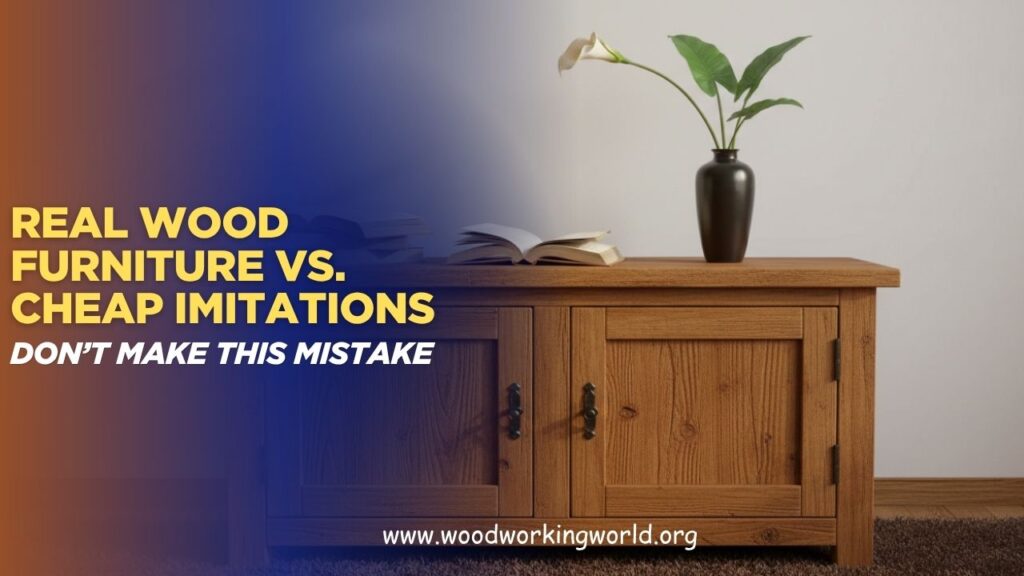
Real Wood Furniture vs. Cheap Imitations – Don’t Make This Mistake
Thinking about upgrading your home décor but unsure whether to invest in real wood furniture or settle for cheaper look-alikes? The difference between genuine solid wood and low-quality imitations goes far beyond price—it affects durability, appearance, longevity, and even the value of your space. Yet many shoppers get misled by furniture that looks like wood but falls apart far too quickly.
In this guide, we’ll break down the key differences between real wood and cheap alternatives, common mistakes buyers make, how to identify authentic craftsmanship, what to look for before purchasing, and why spending a little more upfront can save you money and frustration in the long run. Before you buy your next furniture piece, here’s what you need to know to avoid making a costly mistake.
👉 CLICK HERE to Unlock 16,000+ DIY woodworking plans now
1. Understanding the Difference Between Real Wood and Imitation Furniture
Real Wood Furniture
Real wood furniture is crafted from solid hardwoods or softwoods. Hardwoods, such as oak, walnut, and cherry, are more durable and typically used for high-quality furniture. Softwoods, such as pine and cedar, are lighter but still offer excellent strength.
Key Features:
- Visible wood grain and natural patterns
- Durable and long-lasting
- Can be sanded, stained, or refinished
- Heavier than imitation furniture
Imitation Wood Furniture
Imitation wood furniture is made from engineered materials such as particleboard, medium-density fiberboard (MDF), or laminate. These materials are typically covered with a thin veneer or plastic laminate to mimic the appearance of wood.
Key Features:
- Synthetic appearance that mimics wood grain
- Lightweight and often less durable
- Difficult or impossible to repair
- Typically less expensive upfront
👉 CLICK HERE to Unlock 16,000+ DIY woodworking plans now
2. Benefits of Choosing Real Wood Furniture
1. Durability and Longevity
Real wood furniture is built to withstand the test of time. Unlike imitation materials that may sag, warp, or break down, solid wood maintains its structural integrity for decades.
Example: An oak dining table can last for generations with proper care, whereas a particleboard table may show signs of wear within a few years.
2. Timeless Aesthetic Appeal
The beauty of real wood lies in its unique grain patterns and natural textures. No two pieces are identical, making each item a work of art.
- Develops a rich patina over time
- Complements both traditional and modern decor
- Can be stained or painted to match evolving tastes
Quote: “Investing in real wood furniture is like purchasing a piece of art—it only gets better with age.”
3. Repair and Restoration Potential
Real wood furniture can be easily repaired and restored.
- Scratches and dents can be sanded out
- Can be refinished to look brand new
- Structural repairs are typically straightforward
4. Eco-Friendly and Sustainable
When sourced responsibly, real wood furniture is an environmentally friendly choice.
- Wood is a renewable resource
- Long lifespan reduces waste
- Biodegradable at the end of its life cycle
5. High Resale Value
Well-maintained real wood furniture retains its value and can often be sold at a premium.
- Antique wooden pieces can appreciate over time
- Buyers recognize the value of quality craftsmanship


3. Drawbacks of Imitation Wood Furniture
1. Short Lifespan
Imitation furniture often deteriorates quickly.
- Susceptible to moisture damage
- Edges and veneers may peel or chip
- Limited structural integrity
2. Limited Repair Options
Unlike real wood, imitation materials are difficult or impossible to repair.
- Cannot be sanded or refinished
- Damage often requires complete replacement
3. Environmental Concerns
Imitation furniture is less eco-friendly due to its synthetic components.
- Often contains formaldehyde and other toxic chemicals
- Non-biodegradable materials contribute to landfill waste
4. Cheap Appearance
Even with advanced manufacturing techniques, imitation furniture lacks the authentic look and feel of real wood.
- Uniform patterns appear artificial
- Plastic-like textures are less appealing
4. Table: Comparison Between Real Wood and Imitation Furniture
| Feature | Real Wood Furniture | Imitation Furniture |
|---|---|---|
| Durability | High | Low to moderate |
| Appearance | Unique and natural | Synthetic and uniform |
| Repairability | Easy | Difficult or impossible |
| Longevity | 50+ years | 5-10 years |
| Environmental Impact | Eco-friendly | Less sustainable |
| Investment Value | High | Low |
5. How to Identify Real Wood Furniture
1. Check the Weight
Real wood furniture is heavier than imitation pieces.
2. Inspect the Grain Pattern
Look for natural variations in the wood grain.
3. Examine the Joints
High-quality wood furniture features dovetail or mortise-and-tenon joints, not glue or staples.
4. Tap the Surface
Real wood produces a solid, resonant sound, whereas imitation materials sound hollow.
5. Look for Labels or Certifications
Furniture with labels such as “solid wood” or certifications like FSC (Forest Stewardship Council) is more likely to be genuine.
6. Styling Tips for Real Wood Furniture
1. Mix Wood Tones for Visual Interest
Combine light and dark wood pieces for a dynamic look.
2. Add Soft Textiles
Complement the warmth of wood with cozy fabrics like linen or wool.
3. Use Statement Lighting
Highlight the natural beauty of wood with well-placed lighting.
4. Keep Accessories Minimal
Let the furniture take center stage by opting for simple decor.
5. Incorporate Greenery
Plants enhance the organic feel of wood furniture.
👉 CLICK HERE to Unlock 16,000+ DIY woodworking plans now
7. FAQs
1. Is real wood furniture worth the investment?
Yes, its durability, timeless appeal, and high resale value make it a worthwhile investment.
2. How do I care for real wood furniture?
Clean regularly with a soft cloth, avoid direct sunlight, and use coasters to protect surfaces.
3. Can real wood furniture be refinished?
Yes, sanding and refinishing can restore its original beauty.
4. What’s the best wood for furniture?
Hardwoods like oak, walnut, and cherry are excellent choices for their strength and beauty.
5. How do I spot imitation wood furniture?
Look for uniform grain patterns, lightweight construction, and glued joints.
8. Conclusion
Choosing real wood furniture over cheap imitations is a decision that pays off in the long run. With its unmatched durability, timeless aesthetic, and eco-friendly properties, real wood furniture stands the test of time. By investing in authentic pieces and caring for them properly, you can create a home filled with warmth, beauty, and lasting value. Don’t make the mistake of settling for less—choose real wood and experience the difference.
👉 CLICK HERE to Unlock 16,000+ DIY woodworking plans now