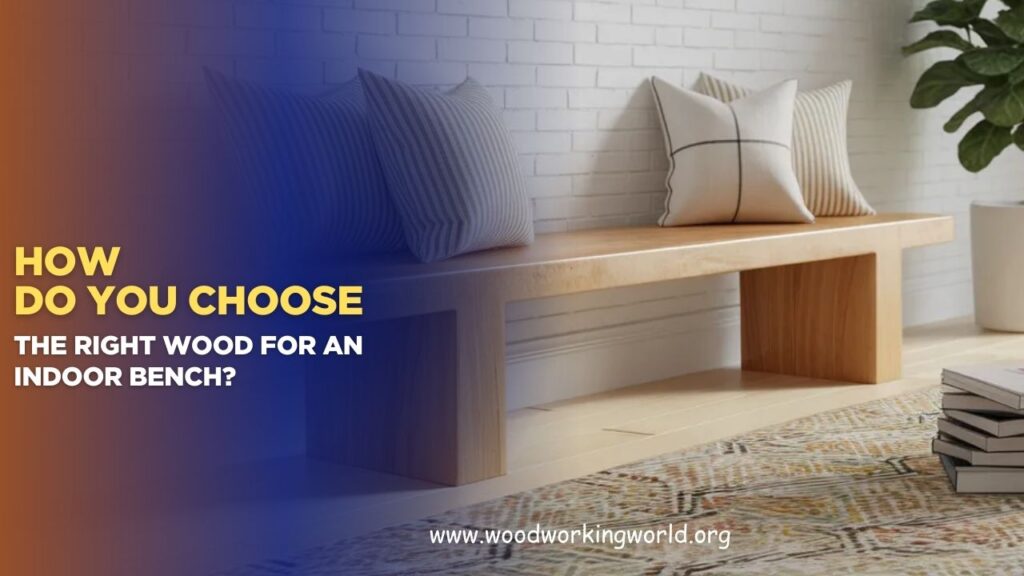
How do you choose the right wood for an indoor bench?
Choosing the right wood can make all the difference when building a comfortable and long-lasting indoor bench. From strength and durability to appearance and ease of maintenance, the type of wood you select directly affects both the look and performance of your finished piece.
In this guide, you’ll learn how to choose the best wood for an indoor bench by understanding wood types, grain patterns, durability levels, and how each option fits different styles, budgets, and skill levels.
👉 CLICK HERE to Unlock 16,000+ DIY woodworking plans now
Why Choosing the Right Wood Matters
Many DIYers focus on design but overlook the wood selection. The wrong choice can result in:
- Cracking or warping over time
- Weak seating surfaces that dent or splinter
- Difficulty sanding or finishing
- A mismatch with your room’s style
By selecting the right wood, you ensure your bench is durable, comfortable, visually appealing, and safe for everyday use.
👉 CLICK HERE to Unlock 16,000+ DIY woodworking plans now
1. Consider Durability and Hardness
Durability is the most critical factor for indoor benches, which endure daily use, weight, and occasional bumps.
- Hardwoods are best for long-lasting benches. They are strong, dense, and resistant to dents and scratches:
- Oak: Extremely durable with a classic grain; ideal for heavy-use benches.
- Maple: Hard, smooth, and light-colored; perfect for modern designs.
- Walnut: Dense, rich color, and luxurious appearance; excellent for decorative pieces.
- Cherry: Slightly softer but still strong; develops a beautiful patina over time.
- Softwoods like pine, cedar, or fir are easier to work with but may dent or scratch more easily. They work well for decorative benches or DIY projects where extreme durability isn’t critical.
Pro Tip: For the seat of your bench, use hardwood for strength and longevity, and softwood can be used for decorative legs or frame elements.
2. Aesthetic Appeal
A bench should blend seamlessly with your home décor. Consider the following:
- Grain pattern: Oak has pronounced grain for rustic appeal, while maple is smooth and subtle for modern interiors.
- Color: Choose wood that complements your walls, flooring, and other furniture—light (maple, birch), medium (oak), or dark (walnut, mahogany).
- Finish potential: Some woods absorb stain evenly; others may blotch or require a conditioner before staining.
Pro Tip: Test a small piece of your chosen wood with your intended stain, oil, or paint to ensure it achieves the desired look before building the bench.
3. Stability and Resistance to Warping
Wood is a natural material that expands and contracts with changes in humidity. Choose wood that remains stable indoors:
- Quarter-sawn boards: Less prone to warping than plain-sawn boards.
- Kiln-dried lumber: Reduces moisture content, minimizing cracks and shrinkage.
- Avoid resinous or soft woods for seating surfaces if you want long-term stability.
Pro Tip: Avoid pallets or reclaimed wood that hasn’t been properly dried, as they may warp after assembly.
4. Workability
Your comfort level and tools also influence the wood choice:
- Hardwoods: More difficult to cut and sand but provide superior durability.
- Softwoods: Easier to work with, lightweight, and beginner-friendly, but may require reinforcement.
Pro Tip: Start with hardwoods for seats and softwoods for decorative elements if you’re new to woodworking.
5. Indoor Environment
Where the bench will sit matters:
- High-humidity areas (like kitchens) require stable, dense hardwoods like maple or oak to prevent swelling.
- Dry, low-traffic areas can accommodate softer woods.
- Consider finishes that protect against spills, sunlight, or scratches, depending on the bench’s location.
6. Sustainability and Cost
- Sustainable choices: Look for FSC-certified or reclaimed wood to reduce environmental impact.
- Cost considerations: Hardwoods are more expensive but last longer. Softwoods are budget-friendly but may need replacement sooner.
Pro Tip: Reclaimed wood can add character, unique grain patterns, and a rustic aesthetic while being environmentally conscious.
🛠️ Ted’s 16,000 Woodworking Plans – Why You’ll Love It


Popular Wood Choices for Indoor Benches
| Wood Type | Durability | Grain & Aesthetic | Best Use |
|---|---|---|---|
| Oak | High | Prominent, classic | Heavy-use or rustic benches |
| Maple | High | Smooth, light-colored | Modern benches or dining benches |
| Walnut | High | Dark, rich | Decorative, statement pieces |
| Cherry | Medium | Warm reddish hue, ages beautifully | Stylish benches, accent pieces |
| Pine | Medium-Low | Light, soft, rustic | Decorative or light-use benches |
Step-by-Step Guide to Selecting Your Bench Wood
Step 1: Identify Usage
- Will the bench hold heavy weights or children? Opt for hardwood.
- Is it purely decorative? Softwood or reclaimed wood is sufficient.
Step 2: Measure Your Space
- Decide on bench dimensions (length, height, depth).
- Ensure the wood you select can provide sturdy, wide boards for the seat.
Step 3: Examine Wood Quality
- Look for straight, knot-free boards for the seat.
- Avoid wood with cracks, splits, or excessive warping.
Step 4: Choose Finish
- Decide if the bench will be stained, painted, or left natural.
- Some woods like walnut or cherry are beautiful without stain, while pine often benefits from staining.
Step 5: Consider Complementary Elements
- Mix hardwood for seating with softer wood for legs or frame if desired.
- Ensure weight distribution won’t compromise stability.
Maintenance Tips for Wood Benches
- Dust and clean regularly with a soft, dry cloth.
- Wipe spills immediately to prevent stains.
- Apply furniture polish, oil, or wax periodically for longevity.
- Avoid placing the bench in direct sunlight to prevent fading.
Pro Tip: For dining benches or entryway benches, consider a protective polyurethane finish to prevent scratches and water damage.
Common Mistakes to Avoid
❌ Choosing softwood for a high-traffic seating area
❌ Using wood with cracks, knots, or uneven thickness for the seat
❌ Ignoring wood movement caused by humidity
❌ Skipping sanding or finishing, leaving rough or splintered surfaces
❌ Mismatching wood color or grain with your interior décor
FAQs: Choosing Wood for an Indoor Bench
1. Can I mix hardwood and softwood for a bench?
- Yes, hardwood for the seat ensures durability, while softwood can be used for legs or decorative features.
2. What thickness is best for a bench seat?
- 1–1.5 inches for hardwood; 1.5–2 inches for softer wood for added strength.
3. Is reclaimed wood suitable for benches?
- Yes, as long as it’s dry, untreated, and free from nails or chemical residues.
4. Which finish works best for indoor benches?
- For natural wood: oil or wax for a soft look.
- For heavy-use benches: polyurethane or varnish for durability.
5. Can I use plywood?
- Yes, plywood works for the frame or decorative parts, but solid wood is preferable for the seat.
Final Verdict: Make the Right Choice for Longevity and Style
Selecting the right wood is key to a durable, beautiful, and functional indoor bench. By considering hardness, aesthetics, stability, workability, and environment, you ensure your bench lasts for years while complementing your home décor.
Key Takeaways:
✔ Use hardwood like oak, maple, or walnut for seats
✔ Softwood is suitable for decorative or low-use benches
✔ Consider indoor humidity and stability of the wood
✔ Test finishes before committing to a look
✔ Maintain your bench with regular cleaning and occasional polish
Pro Tip: Investing in the right wood at the start saves time, effort, and frustration later, ensuring your indoor bench remains a functional and stylish centerpiece in your home for years.
👉 CLICK HERE to Unlock 16,000+ DIY woodworking plans now